This article is for general informational purposes only and does not replace personalized veterinary advice — always consult a licensed veterinarian before introducing a new food to your dog’s diet.
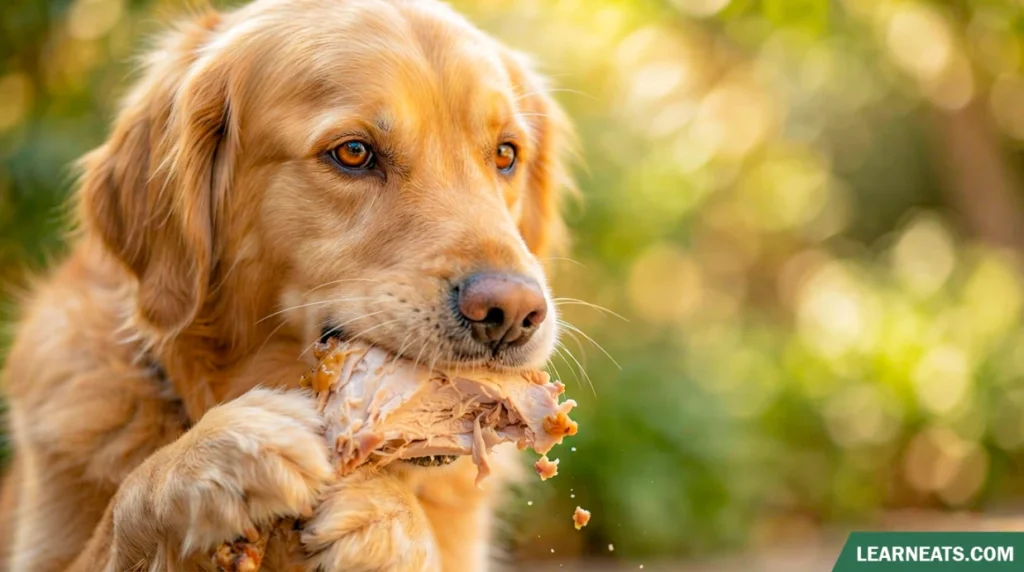
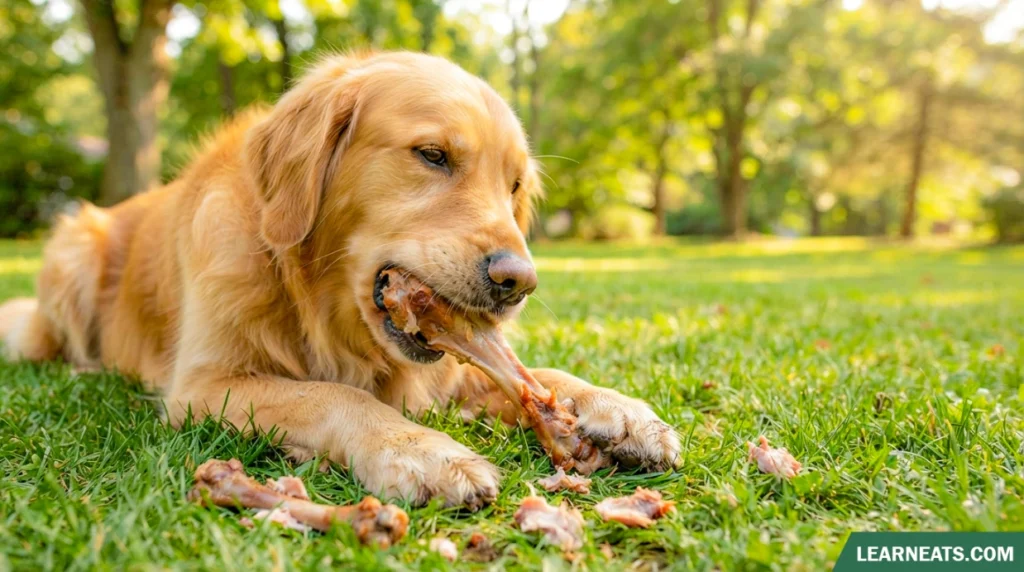
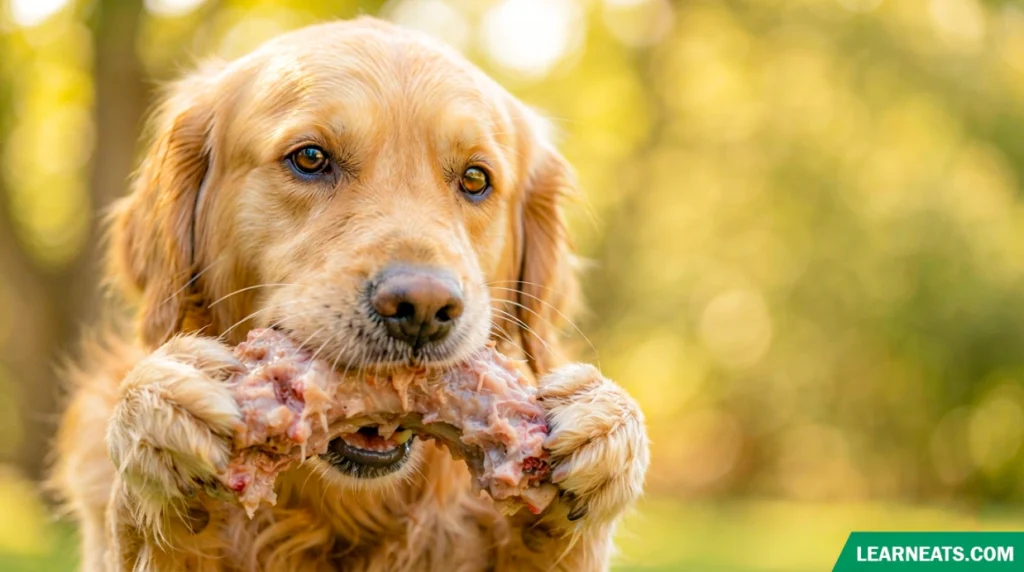
Yes, dogs can eat turkey necks — but only when they are served raw and never cooked. Raw turkey necks are a nutrient-dense, natural chew that many raw-feeding vets and canine nutritionists recommend for dental health and joint support. Cooked, smoked, or boiled turkey necks, on the other hand, pose a serious choking and internal injury risk because heat makes the bones brittle.
That single distinction — raw versus cooked — is the difference between a healthy treat and a trip to the emergency vet. Here’s exactly what pet parents need to know before handing one over.
What Exactly Is a Turkey Neck?
A turkey neck is the long, bony section connecting a turkey’s head to its body. It’s made up of small vertebrae surrounded by cartilage, tendons, and a modest layer of meat and skin. Butchers and poultry suppliers usually sell them raw and whole, often labeled for pet food or stock-making purposes.
Nutritionally, turkey necks pack a punch:
- High in protein — supports muscle maintenance and repair
- Rich in calcium and phosphorus — from the bone content, important for skeletal health
- Natural source of glucosamine and chondroitin — cartilage compounds that support joint mobility
- Moderate fat content — provides energy without being excessively fatty like some other cuts
Many raw-feeding advocates include turkey necks in a BARF (Biologically Appropriate Raw Food) diet specifically because of this nutritional profile.
Raw vs. Cooked Turkey Necks: Which One Is Actually Safe?
This is the single most important distinction in the entire topic, and it deserves its own breakdown.
Raw Turkey Necks for Dogs
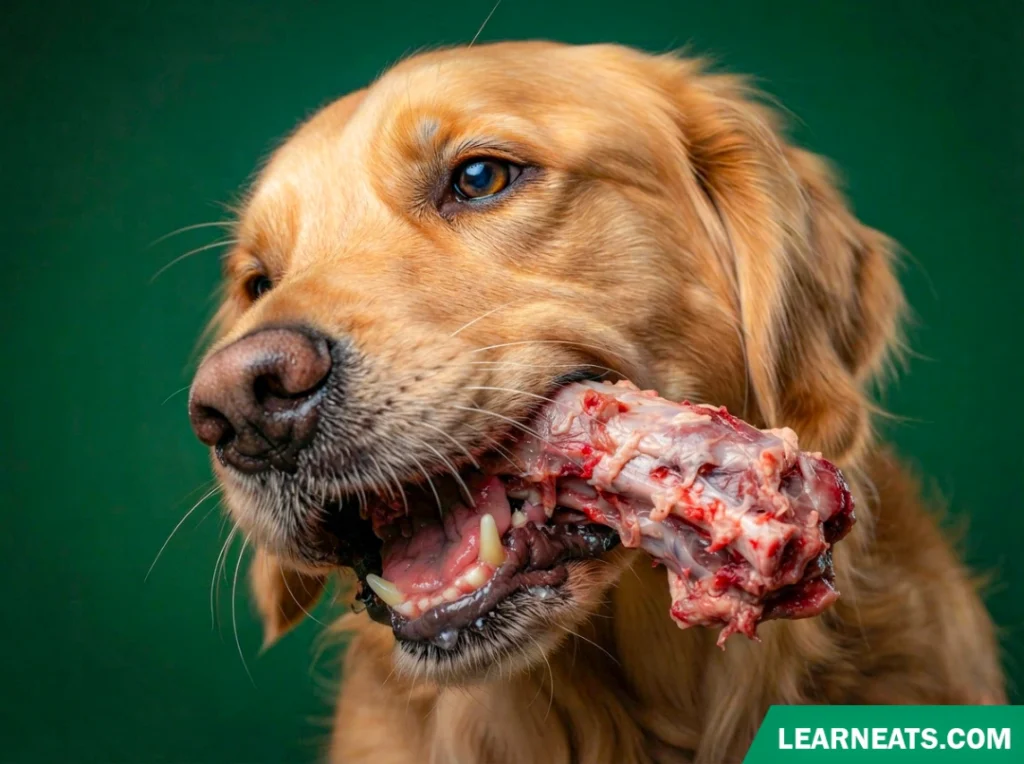
Raw bones, including turkey necks, are naturally pliable. When a dog chews on one, the bone tends to crack into blunt, manageable fragments rather than sharp shards. According to veterinary nutrition guidelines, raw bones are generally considered safer than cooked ones for this reason.
The chewing action itself also delivers a bonus: it scrapes plaque and tartar off teeth, functioning like a natural toothbrush.
Why Cooked Turkey Necks Are Dangerous
Cooking — whether by boiling, roasting, smoking, or frying — pulls moisture out of bone and changes its molecular structure. The result is a bone that turns brittle and splinters into sharp, jagged pieces instead of breaking down safely.
Those splinters can:
- Get lodged in the throat or esophagus
- Puncture the stomach lining or intestinal wall
- Cause severe internal bleeding
- Lead to a life-threatening bowel obstruction requiring emergency surgery
Veterinarians consistently warn against cooked poultry bones of any kind, and turkey necks are no exception.
What About Smoked or Boiled Turkey Necks?
Smoked and boiled turkey necks fall into the same “cooked” danger category. Smoking dries the bone out even further, often making it more brittle than a simply roasted one. Boiling softens the surrounding meat but still hardens and dehydrates the bone marrow, creating the same splintering risk. Neither preparation method is considered safe.
Turkey Neck Safety Comparison Table
| Type of Turkey Neck | Safety Level | Bone Texture | Main Risk | Vet Recommendation |
|---|---|---|---|---|
| Raw (fresh or frozen-thawed) | Generally Safe | Pliable, flexible | Choking if swallowed whole (size-dependent) | Recommended under supervision |
| Cooked (roasted/baked) | Unsafe | Brittle, dry | Splintering, internal puncture | Avoid entirely |
| Boiled | Unsafe | Hardened, dehydrated marrow | Splintering, blockage | Avoid entirely |
| Smoked | Unsafe | Very dry, hardened | Sharp fragments, obstruction | Avoid entirely |
| Freeze-dried/dehydrated (commercial treats) | Use With Caution | Hard, dense | Choking, dental fracture | Check product labeling; supervise closely |
Real Health Benefits of Raw Turkey Necks
When served correctly, raw turkey necks offer more than just a tasty distraction:
- Dental cleaning — the gnawing motion physically removes plaque buildup along the gumline
- Joint support — natural glucosamine and chondroitin from cartilage may help mobility, especially in senior dogs
- Mental stimulation — chewing is a calming, instinct-satisfying activity that can reduce boredom-related behaviors
- Protein-rich nutrition — a lean addition to a balanced diet without unnecessary fillers
Risks and Safety Precautions Every Owner Should Know
Even raw turkey necks aren’t entirely risk-free. Responsible feeding means understanding these factors:
Choking hazard by dog size. A whole turkey neck can be swallowed too quickly by a small or medium dog, or by any dog that tends to gulp food rather than chew it. Cutting the neck into smaller sections reduces this risk considerably.
Bacterial contamination. Raw poultry can carry Salmonella or Campylobacter. Wash hands, bowls, and surfaces thoroughly after handling, and store necks properly refrigerated or frozen until use.
Aggressive chewers vs. gulpers. Dogs that swallow large chunks without chewing are at higher risk of an intestinal blockage, even with raw bone. Supervision is non-negotiable.
Dogs with pancreatitis or dental disease. Dogs with a history of pancreatitis, broken teeth, or jaw problems may need a vet’s clearance before trying bone-based chews at all.
How to Safely Feed a Turkey Neck to a Dog
Follow this practical feeding framework to minimize risk:
- Always serve raw — never cooked, boiled, smoked, or fried.
- Match the size to the dog. Small breeds should get a portion of a neck, not the whole thing; large breeds may safely manage a whole one.
- Supervise every single session. Never leave a dog unattended with a bone-in chew.
- Feed it fresh or properly thawed. If frozen, thaw completely in the refrigerator before serving.
- Limit frequency. One to two servings per week is a common guideline used by raw-feeding nutritionists, though this should be adjusted based on the dog’s total diet and caloric needs.
- Remove leftovers after 10–15 minutes to prevent bacterial growth if not fully consumed.

Can Puppies Eat Turkey Necks?
Puppies can eat raw turkey necks once they’ve transitioned to solid food and have enough teeth to chew appropriately, but extra caution applies. Their smaller jaws and developing teeth make supervision even more critical, and the neck should be sized down or lightly ground to match the puppy’s chewing ability. A veterinarian should weigh in before adding raw bone-in chews to a growing puppy’s routine, especially for toy and small breeds.
Warning Signs to Watch For While Feeding
Stop the chewing session immediately and contact a veterinarian if a dog shows:
- Repeated gagging, coughing, or retching
- Pawing frantically at the mouth or face
- Drooling that starts suddenly and excessively
- Vomiting or refusal to eat afterward
- Lethargy, abdominal pain, or a bloated-looking belly in the hours following
These can indicate a lodged fragment or the beginning of an intestinal obstruction, both of which require urgent veterinary attention.
Frequently Asked Questions
Can dogs eat turkey necks?
Yes, dogs can eat turkey necks when they’re served raw and appropriately sized for the dog. Cooked versions should always be avoided due to the splintering risk.
Can dogs eat raw turkey necks?
Raw turkey necks are generally considered safe and are commonly used in raw-feeding diets. They should still be given under direct supervision and matched to the dog’s size.
Can dogs eat cooked turkey necks?
No, cooked turkey necks are not safe. Cooking makes the bone brittle, causing it to splinter into sharp pieces that can injure the throat or digestive tract.
Are turkey neck bones safe for dogs?
Raw turkey neck bones are typically safe because they flex and crack into blunt pieces rather than shards. Cooked turkey neck bones are unsafe for the opposite reason — they become hard and brittle.
Can dogs eat boiled turkey necks?
Boiled turkey necks are not recommended. Boiling hardens and dehydrates the bone marrow, creating the same splintering hazard associated with roasting or smoking.
How often can dogs eat turkey necks?
Many raw-feeding guidelines suggest one to two turkey necks per week as an occasional addition, though the right frequency depends on the dog’s size, activity level, and overall diet.
What size dog can safely eat a whole turkey neck?
Larger, thorough chewers can typically manage a whole raw turkey neck, while small and medium dogs, or dogs that gulp their food, should have it cut into smaller portions.
Can puppies eat turkey necks?
Puppies can eat raw turkey necks once they’re on solid food and have adequate teeth, but the portion should be sized appropriately and always supervised closely.
What should be done if a dog swallows a turkey neck bone whole?
Contact a veterinarian immediately, even if the dog seems fine. A vet may recommend monitoring, an X-ray, or urgent care depending on the dog’s size and the bone’s size.
Are turkey necks better than chicken necks for dogs?
Both are nutritionally similar raw options, but turkey necks are larger and denser, which can make them more suitable for medium and large breeds, while chicken necks may suit smaller dogs better.
Can dogs eat turkey neck bones raw or cooked?
Raw turkey neck bones are the only safe option. Cooked turkey neck bones, regardless of the cooking method, carry a significant risk of splintering and should never be fed.