This article is for informational purposes only and does not replace personalized advice from a licensed veterinarian.
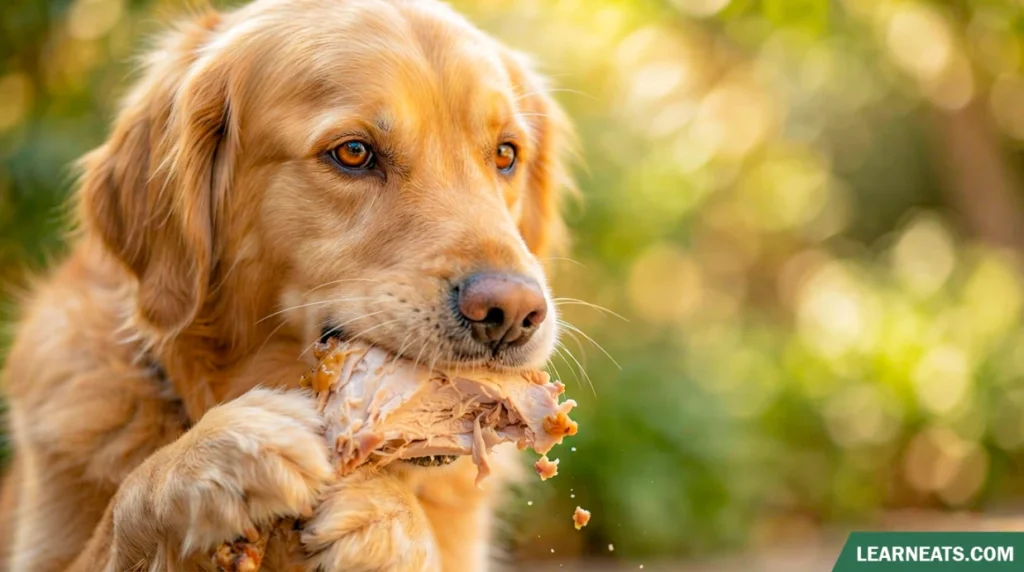
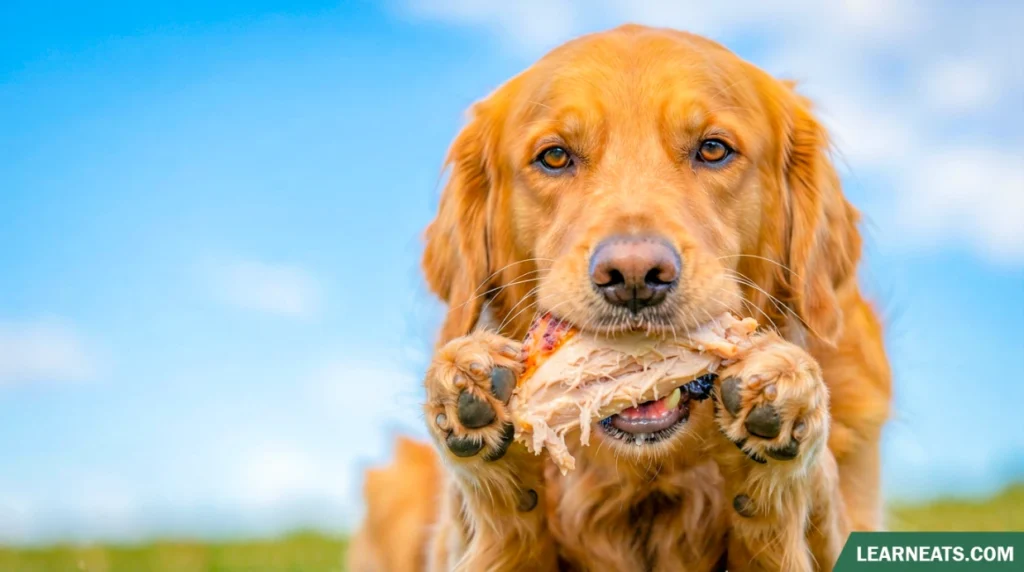
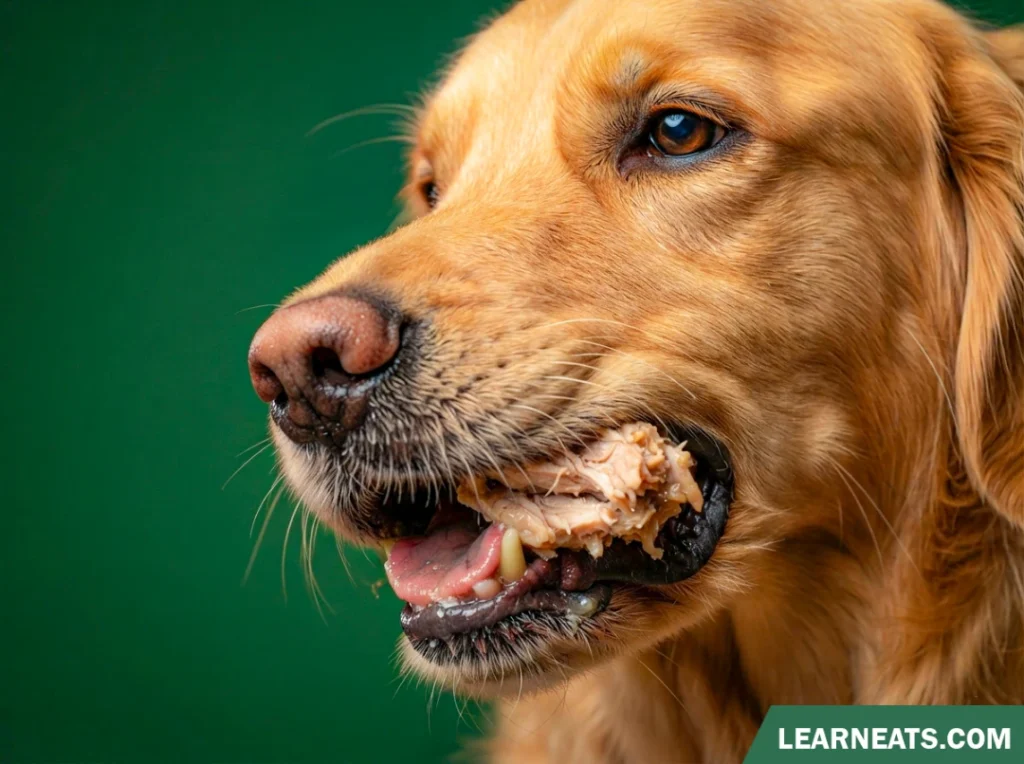
Yes, dogs can eat turkey meat, but only when it is plain, fully cooked, boneless, and served without skin, seasoning, or sauces. Turkey itself is a lean, easily digestible protein that many commercial dog foods already use as a primary ingredient. The danger rarely comes from the turkey — it comes from how the turkey was prepared, what it was cooked with, and which parts of the bird made it onto the plate.
This guide breaks down every common form of turkey a dog might encounter, from a slice off the holiday roast to a piece of deli lunch meat, so an owner can make a confident, safe decision.
Is Turkey Good for Dogs? The Quick Answer
Plain roasted or boiled turkey breast is one of the safer human foods to share with a dog in small amounts. According to health experts in veterinary nutrition, turkey provides:
- High-quality protein that supports muscle maintenance and repair
- Riboflavin and phosphorus, which contribute to healthy metabolism and bone strength
- Low fat content when the skin is removed, making it gentler on the digestive system than fattier meats
The concern is not the turkey muscle meat itself. Problems arise from turkey skin, bones, seasoning, onion or garlic-based gravies, and processed forms like deli meat, all of which carry distinct risks covered in detail below.
What Types of Turkey Meat Are Safe for Dogs?
Plain Cooked Turkey Breast (White Meat)
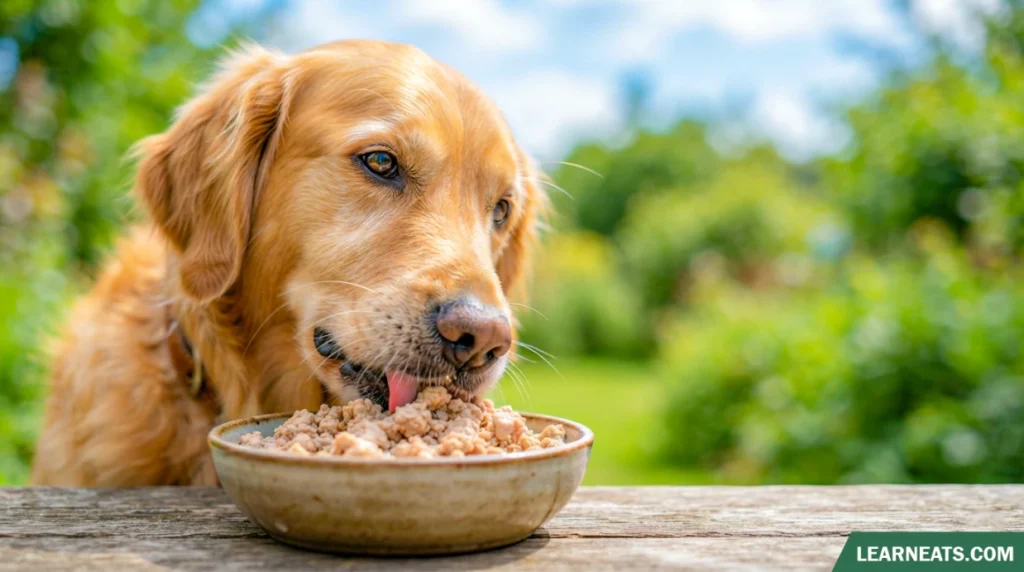
Skinless, boneless, unseasoned turkey breast is the gold standard. It is lean, low in fat, and gentle on most dogs’ stomachs. This is the form most likely to be recommended as an occasional topper or training treat.
Dark Meat Turkey
Dark meat, such as the thigh or leg, is also safe in small quantities but contains noticeably more fat than the breast. Medical research on canine nutrition suggests that excess fat intake, even from lean meats, can trigger digestive upset or contribute to pancreatitis in sensitive dogs. Dark meat should be trimmed of visible fat and offered less frequently than white meat.
Ground Turkey Meat
Plain ground turkey, cooked thoroughly with no added salt, butter, oil, or seasoning blends, is safe and is actually used as a base protein in many homemade and prescription dog food recipes. Owners should check that the ground turkey purchased at a grocery store has not been pre-seasoned, since many “breakfast” or “Italian-style” ground turkey products contain garlic, sage, or excess sodium.
White Meat vs. Dark Meat: Which Is Better?
White meat is generally the better everyday choice because of its lower fat content. Dark meat isn’t dangerous, but it is calorie-dense, so portion control matters more when serving it.
What Types of Turkey Should Dogs Avoid?
Raw Turkey Meat
Raw turkey carries a real risk of Salmonella and Campylobacter contamination, bacteria that can cause vomiting, diarrhea, and fever in dogs, and can also spread to humans in the household through cross-contact. While some raw-feeding diets do include raw poultry, it requires strict sourcing, handling, and freezing protocols. For the average pet owner, cooked turkey is the safer route.
Turkey Skin
Turkey skin is loaded with saturated fat, often coated in butter or drippings during cooking. This combination is a leading trigger for pancreatitis, a painful and potentially life-threatening inflammation of the pancreas that shows up as vomiting, abdominal pain, and lethargy.
Turkey Bones (Cooked or Raw)
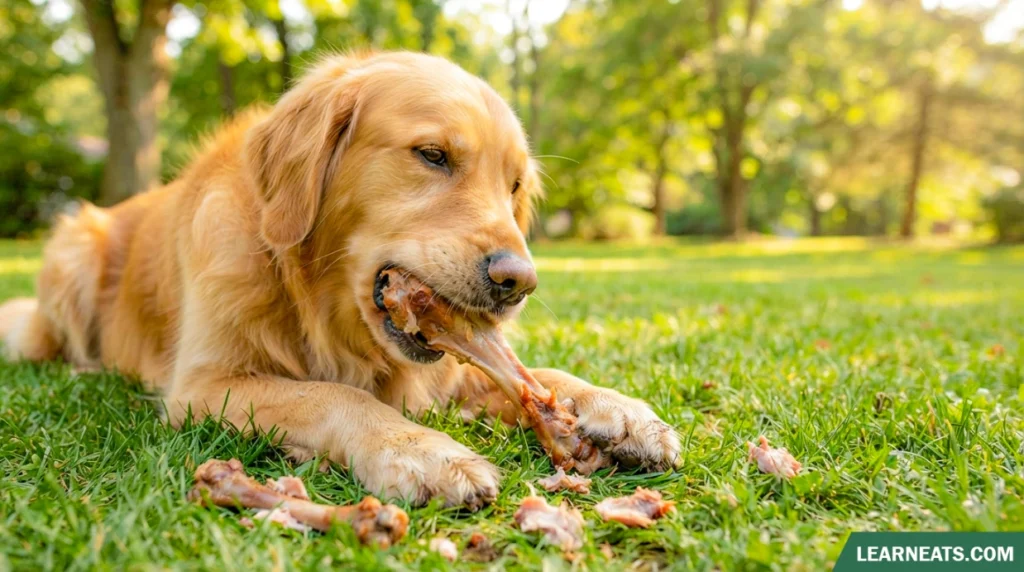
Cooked turkey bones splinter easily and can cause choking, esophageal injury, or intestinal perforation. Raw bones are somewhat more flexible but still pose a choking and blockage risk, especially with smaller breeds. Bones should never be offered as a treat, regardless of how they were prepared.
Seasoned or Gravy-Covered Turkey
Holiday turkey is frequently seasoned with garlic, onion powder, sage, or butter, and served with gravy. Garlic and onion belong to the Allium family and are toxic to dogs, capable of damaging red blood cells and causing hemolytic anemia even in modest amounts.
Turkey Lunch Meat, Deli Meat & Sandwich Meat: Special Considerations
This category generates the most confusion, since it looks like “plain” turkey but is processed very differently from a roasted breast.
Can Dogs Eat Turkey Lunch Meat or Deli Meat?
A small piece of plain turkey lunch meat is unlikely to harm a dog, but it should not become a habit. Deli turkey is cured and packed with sodium, preservatives like nitrates, and sometimes sugar, none of which support a dog’s long-term health. Regular consumption can contribute to excessive thirst, high blood pressure, and strain on the kidneys over time.
Can Dogs Eat Turkey Sandwich Meat?
The same caution applies here. If the sandwich meat is plain turkey with no added mustard, mayonnaise, onion, or seasoning, a small bite is generally tolerated. Mustard and certain spreads, however, may irritate a dog’s stomach or contain ingredients unsafe for pets.

Can Dogs Eat Honey Turkey Deli Meat?
Honey-cured deli turkey typically contains added sugar on top of the sodium already present in processed meat. This combination offers no nutritional benefit to a dog and should be treated as an occasional exception at most, not a regular snack.
Turkey Nutrition & Safety Comparison Table
| Turkey Type | Safety Level | Sodium/Fat Concern | Primary Risk | Recommended Serving |
|---|---|---|---|---|
| Plain cooked turkey breast (white meat) | Safe | Low fat, no added sodium | Minimal if unseasoned | Occasional topper, bite-sized pieces |
| Dark meat turkey (thigh/leg) | Safe in moderation | Higher fat content | Possible pancreatitis risk with excess fat | Small amounts, fat trimmed |
| Ground turkey (plain, cooked) | Safe | Low, if unseasoned | Store-bought blends may contain seasoning | Cooked plain, no oil or salt |
| Raw turkey meat | Caution advised | N/A | Salmonella, Campylobacter | Only under strict raw-feeding guidance |
| Turkey skin | Not recommended | Very high fat | Pancreatitis | Avoid entirely |
| Cooked/raw turkey bones | Unsafe | N/A | Choking, splintering, GI perforation | Never offer |
| Turkey lunch/deli meat | Occasional only | High sodium, preservatives | Kidney/blood pressure strain over time | Rare, small bite, plain only |
| Honey turkey deli meat | Occasional only | High sodium + added sugar | No nutritional value, sugar intake | Rare exception only |
| Seasoned/gravy turkey | Unsafe | Often contains garlic/onion | Toxicity, hemolytic anemia | Avoid entirely |
How to Serve Turkey Safely to a Dog
- Cook it plain. No butter, oil, salt, garlic, onion, or spice blends.
- Remove skin and bones completely before offering any piece.
- Cut into small, manageable pieces appropriate for the dog’s size to reduce choking risk.
- Introduce gradually. Start with a small amount to watch for any digestive reaction before offering more.
- Treat it as a topper, not a meal. Turkey should stay under 10% of a dog’s total daily caloric intake, consistent with general guidance for treats and human food additions.
Signs of a Turkey-Related Reaction in Dogs
Watch for the following after feeding turkey, especially a new form or preparation:
- Vomiting or diarrhea within a few hours
- Loss of appetite or unusual lethargy
- Abdominal pain, hunching, or a bloated appearance
- Excessive thirst or urination (a possible sodium-related response after deli meat)
- Pale gums or weakness (a potential sign of onion/garlic toxicity if seasoned turkey was involved)
When to Contact a Veterinarian
A dog that has eaten turkey bones, raw turkey with subsequent illness, seasoned or gravy-covered turkey, or a large quantity of turkey skin should be evaluated by a veterinarian promptly, even if symptoms have not yet appeared. Early intervention for suspected bone obstruction, toxicity, or pancreatitis significantly improves outcomes.
Did you know that? Can Dogs Eat Cooked Turkey?
Frequently Asked Questions
Can dogs eat turkey meat every day?
Small amounts of plain cooked turkey can be given occasionally, but it should not replace a dog’s balanced daily diet. Daily feeding, especially of dark meat or processed turkey, can lead to excess fat or sodium intake over time.
Can dogs eat turkey lunch meat?
A small piece of plain turkey lunch meat is generally tolerated, but deli meat is high in sodium and preservatives and should only be an occasional treat, not a regular addition to meals.
Can dogs eat turkey deli meat safely?
Plain turkey deli meat in small quantities is unlikely to cause immediate harm, though the sodium and preservative content make it unsuitable as a frequent snack, particularly for dogs with heart or kidney conditions.
Can dogs eat turkey sandwich meat?
Plain turkey from a sandwich is similar to deli meat and can be offered occasionally, provided it has no mustard, onion, mayonnaise, or other seasonings mixed in.
Can dogs eat ground turkey meat?
Yes, plain cooked ground turkey with no added salt, oil, or seasoning is a safe, lean protein source and is commonly used in homemade dog food recipes.
Can dogs eat honey turkey deli meat?
Honey-cured turkey deli meat contains both added sugar and sodium, offering no nutritional benefit. It should be treated as a rare exception rather than a regular snack.
Can dogs eat dark meat turkey?
Dark meat turkey is safe in moderation but contains more fat than white meat, so portions should be smaller and less frequent to reduce the risk of digestive upset or pancreatitis.
Can dogs eat raw turkey meat?
Raw turkey carries a risk of Salmonella and Campylobacter contamination. It is not recommended for casual feeding and should only be part of a raw diet designed and supervised with proper food-safety protocols.
Can dogs eat white meat turkey?
Yes, plain cooked white meat turkey is one of the safest forms to offer, thanks to its lean, low-fat profile compared to dark meat.
What parts of turkey are dangerous for dogs?
Turkey skin, cooked and raw bones, and any seasoned or gravy-covered meat pose the highest risk, ranging from pancreatitis to choking hazards to toxicity from garlic and onion.
How much turkey can a dog eat safely?
Turkey should make up no more than a small portion of a dog’s diet, generally kept under 10% of daily caloric intake, and should always be plain, cooked, and boneless.
What should I do if my dog eats a turkey bone?
Contact a veterinarian immediately, even without visible symptoms. Bone fragments can cause internal injury or blockage that may not show signs right away.