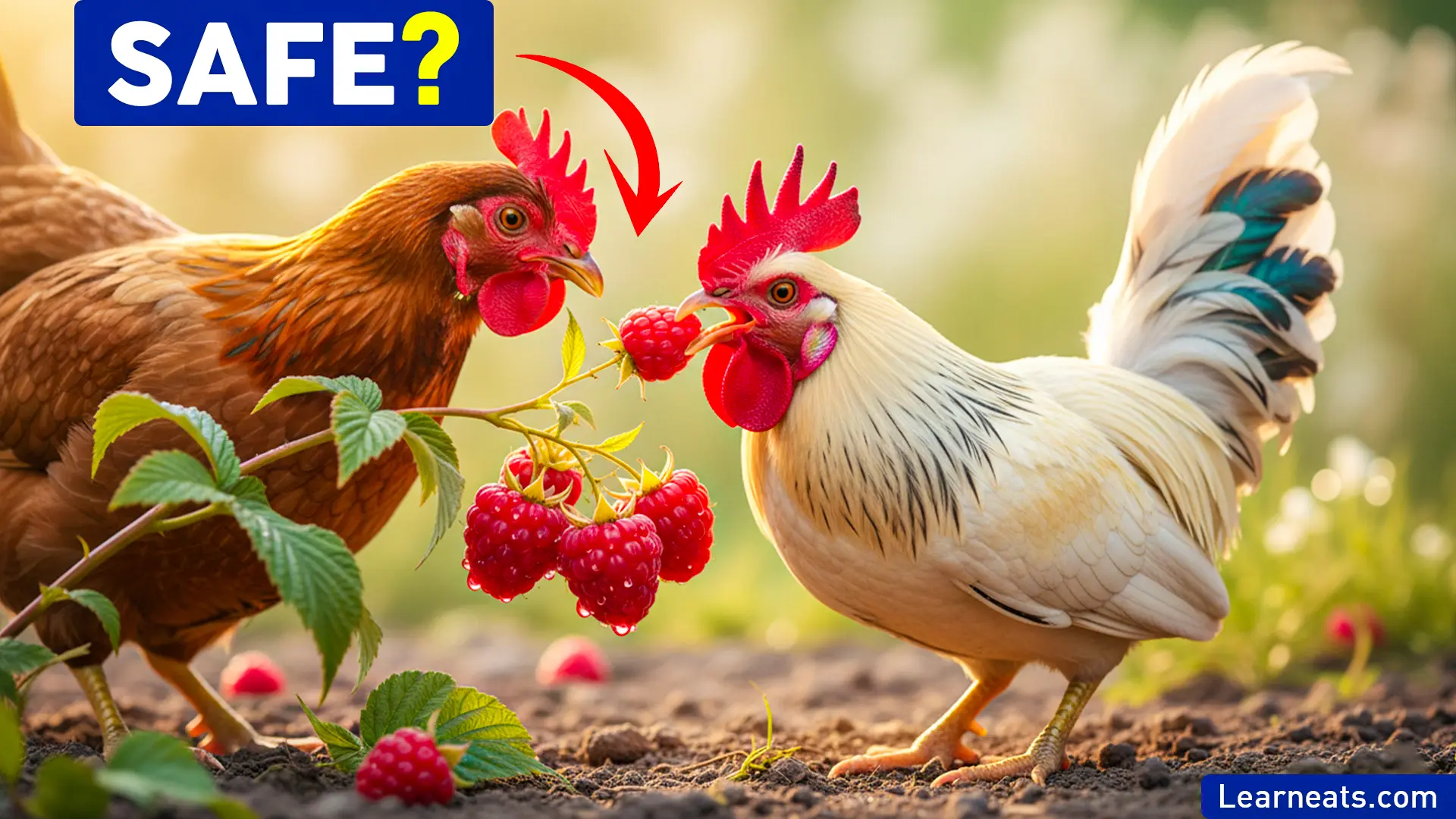
Picture this: You’re strolling through your lush garden on a sunny afternoon, harvesting a bounty of plump, ruby-red raspberries. Suddenly, your flock of inquisitive chickens gathers around, tilting their heads and clucking with anticipation at the fallen berries. It’s a charming sight that begs the question – can chickens eat raspberries? And, is raspberries safe for chickens?
At Learn Eats, we’re your trusted hub for creative chicken nutrition tips, helping you transform everyday feeds into exciting, health-boosting experiences. From backyard enthusiasts to urban coop keepers, we offer fresh ideas to keep your birds happy and healthy. Raspberries, with their irresistible tang, can indeed be a fantastic occasional treat. We’ll guide you through the dos and don’ts, blending practical advice with fun storytelling.
Safety First: Is Raspberries Safe for Chickens?
Raspberries are safe for chickens as an occasional treat, boasting a sweet, tangy flavor that most birds adore. The whole fruit, including seeds, is fine for them to consume, but ensure they have grit to aid digestion. Opt for organic or home-picked berries to steer clear of pesticides. While raspberry leaves and stems aren’t toxic, limit exposure as they might cause minor digestive tweaks due to natural compounds.
Benefits of Raspberries for Chickens
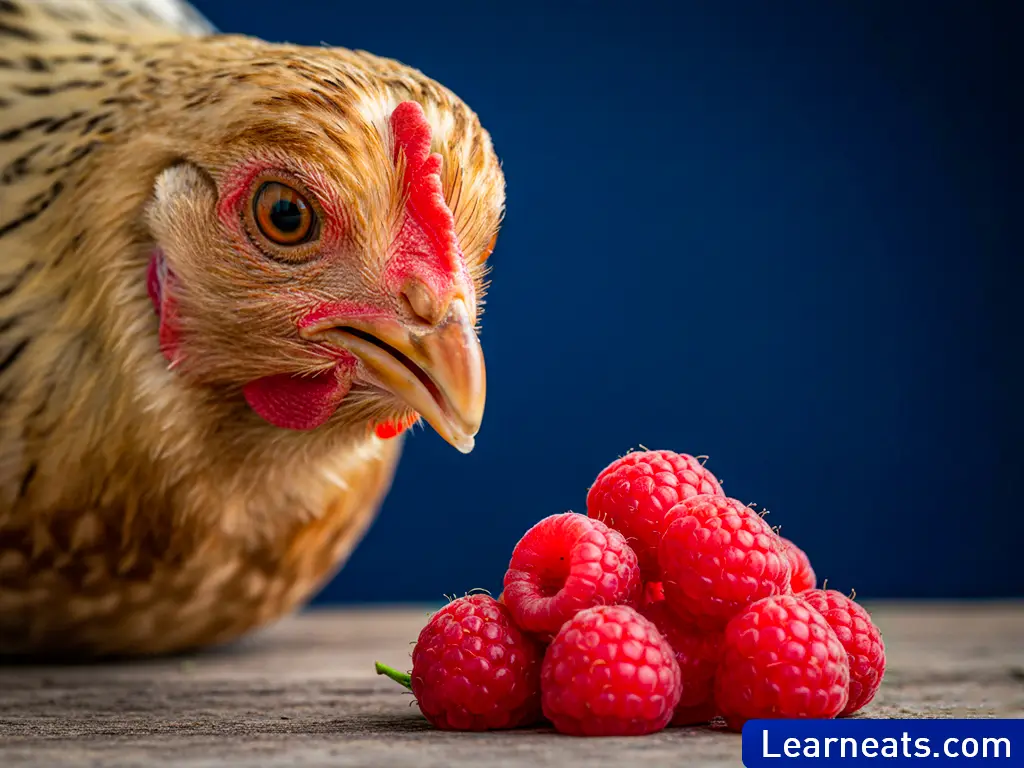
These berries aren’t just tasty; they’re nutrient-packed. Antioxidants in raspberries bolster immune health, helping chickens ward off common ailments. Fiber supports gut health, promoting better digestion and preventing issues like impacted crops. During hot spells, the high water content delivers a refreshing hydration boost, keeping your flock cool and perky. Vitamins such as C and K enhance overall vitality, potentially improving egg quality and feather shine. As part of chicken-friendly fruits, raspberries can encourage foraging behaviors, adding mental stimulation to their day.
Risks of Feeding Raspberries to Chickens
Balance is key – the sugars in raspberries can lead to tummy troubles like diarrhea if overfed. Excess might contribute to obesity or disrupt nutrient balance in their diet. For young chicks, mash berries to avoid choking hazards. Moldy or spoiled ones are a no-go, risking bacterial issues. In chicken nutrition tips, treats should comprise no more than 10% of their intake to maintain health.

Chicken Nutrition Tips for Serving Raspberries
Elevate treat time with inventive ideas that turn berries into adventures.
- Scatter whole raspberries in the run for a natural forage hunt, sparking instinctual pecking.
- Mash and mix into their regular feed for a berry-infused mash that hides veggies.
- Freeze berries in water blocks for summer cool-downs – watch them peck away with glee.
- Blend with other chicken-friendly fruits like strawberries for a seasonal medley.
- In autumn, use fallen garden berries for zero-waste treats, tying into eco-friendly coop practices.
A unique angle: Plant raspberry bushes near the coop for supervised browsing sessions, fostering a mini ecosystem where chickens naturally control pests around the plants. This not only provides fresh snacks but also enriches their environment. Always observe your flock – their enthusiastic clucks will guide you on portions. With these tips, raspberries become more than food; they’re a gateway to happier, healthier chickens.
By incorporating raspberries mindfully, you enhance your flock’s life with flavor and fun. These berries prove that simple garden yields can yield big rewards in poultry care.
Final Words
In summary, raspberries offer a delightful twist to your chickens’ diet when managed smartly. The benefits of raspberries for chickens, from antioxidant-rich immunity boosts to hydrating refreshment, make them a stellar choice. However, the risks of feeding raspberries to chickens, such as sugar-related digestive upsets, remind us to practice moderation. Learn Eats is dedicated to safe chicken nutrition tips that inspire innovation in your backyard setup.
Delve into more chicken-friendly fruits via our guides to customize your flock’s menu. Spoil your chickens wisely with these nature’s gems, always balancing treats with staples for optimal well-being. Your birds will thrive – keep exploring for more feathered fun!
Did you know that? Eat Acorn Squash Skin
Frequently Asked Questions
1. Can chickens eat raspberries daily?
Not recommended, but as treats a few times weekly, they’re great! Moderation prevents issues in chicken nutrition tips.
2. Is raspberries safe for chickens, including the seeds?
Yes, seeds and all! They’re digestible and add fiber, positioning raspberries as a prime chicken-friendly fruit.
3. What are the benefits of raspberries for chickens?
Antioxidants for health, fiber for digestion, and hydration for hot days – a cluck-worthy boost!
4. Are there risks of feeding raspberries to chickens?
Overdoing sugars can cause diarrhea; keep it sparse for safe chicken nutrition tips.
5. How many raspberries can a chicken eat without issues?
2-4 per bird per session works well, ensuring is raspberries safe for chickens in moderation.
6. What makes raspberries a top chicken-friendly fruit?
Nutrient-packed with appealing taste and texture – chickens go berry-crazy for them!
7. Can chicks safely eat raspberries?
Mash them for babies to avoid choking, aligning with gentle chicken nutrition tips.
8. Are raspberry leaves bad for chickens?
Mostly okay in small bits, but focus on berries to dodge any mild upsets.
9. How to creatively serve raspberries to chickens?
Freeze or scatter for fun foraging – amps up those chicken-friendly fruits moments!
10. Why add raspberries to chicken diets?
For variety and vitamins, enhancing overall health with easy chicken nutrition tips.