This article is for informational purposes only and does not replace professional veterinary advice; always consult a licensed veterinarian before changing your dog’s diet.
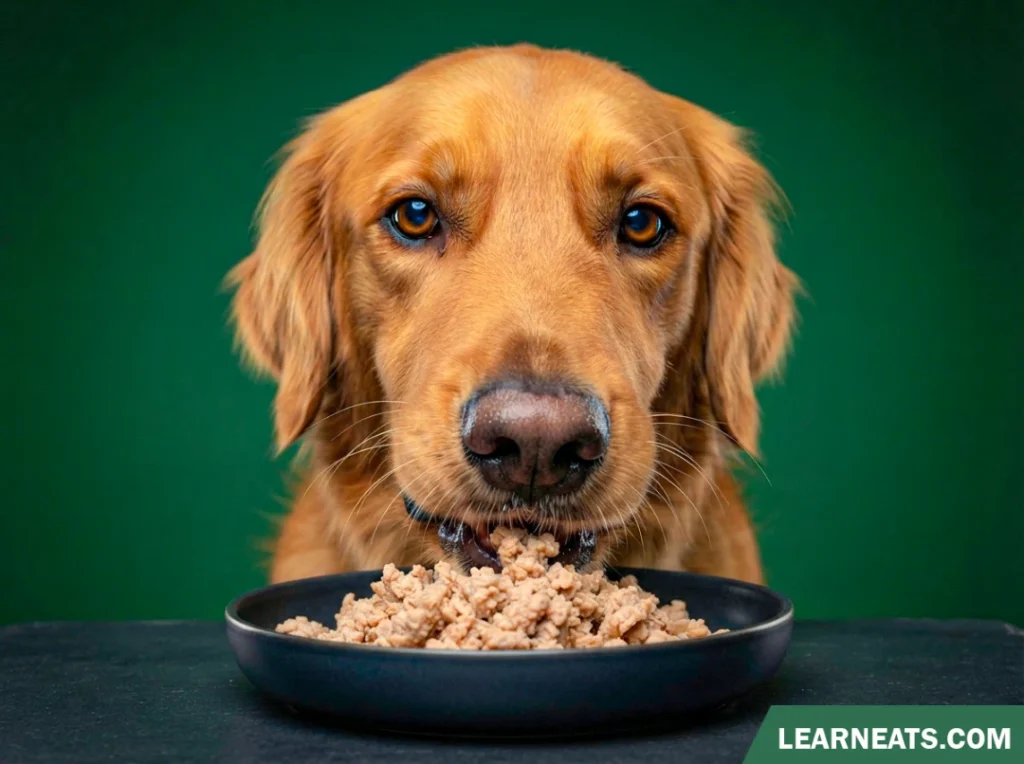
Yes, dogs can eat ground turkey. Plain, fully cooked, unseasoned ground turkey is a safe, lean protein source for most healthy dogs and is even used as a base ingredient in many commercial dog foods. The real danger isn’t the turkey itself — it’s the seasoning, added fat, and raw handling risks that come with it.
Ground turkey shows up in almost every household kitchen, which means dog owners constantly ask the same question when a piece drops on the floor or a dog begs during dinner prep. Below is a detailed, science-backed breakdown of exactly when ground turkey is safe, when it isn’t, and how to serve it the right way.
Is Ground Turkey Safe for Dogs? The Quick Answer
Ground turkey is safe for dogs when it’s:
- Cooked thoroughly with no pink remaining inside
- Plain, with zero salt, onion, garlic, or seasoning blends
- Lean, meaning excess fat and skin have been drained or trimmed
- Fresh, not spoiled or sitting out at room temperature for hours
According to veterinary nutrition guidelines, turkey is classified as a novel, lean protein that’s often recommended for dogs with sensitivities to beef or chicken. It’s low in fat compared to red meat and delivers a strong amino acid profile that supports muscle maintenance.
The concern arises almost entirely from how the turkey is prepared, not the meat itself.
Raw vs. Cooked Ground Turkey: Which Is Safer for Dogs?
Can Dogs Eat Raw Ground Turkey?
Raw ground turkey carries real risk, and most veterinarians advise against it for the average pet owner. Ground turkey is particularly prone to bacterial contamination because the grinding process mixes surface bacteria throughout the entire batch of meat, unlike a solid cut where bacteria stays on the outside.
Key risks of raw ground turkey include:
- Salmonella and Listeria contamination — both bacteria are commonly found in raw poultry and can sicken dogs and humans handling the food
- Campylobacter infection — causes vomiting, diarrhea, and fever in dogs
- Cross-contamination — raw turkey juices can spread bacteria onto counters, bowls, and hands
Some raw-feeding advocates use commercially prepared, high-pressure-processed raw turkey specifically formulated for pets, which undergoes pathogen testing. Standard grocery-store ground turkey meant for human cooking is not held to the same pet-safety standard and shouldn’t be fed raw without professional guidance.
Can Dogs Eat Cooked Ground Turkey?
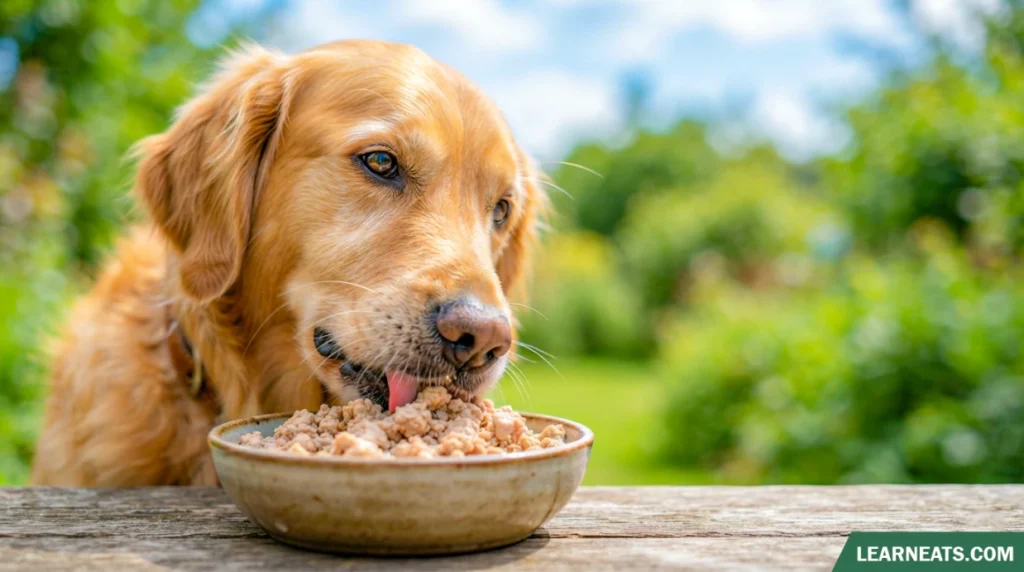
Yes — cooked ground turkey is the recommended way to serve it. Cooking to an internal temperature of at least 165°F (74°C) kills harmful bacteria while preserving the protein content dogs need.
Best practices for cooked ground turkey:
- Boil, bake, or pan-cook without oil, butter, or seasoning
- Drain excess grease after cooking, since high fat intake is linked to pancreatitis in dogs
- Break the meat into small crumbles to avoid choking, especially in small breeds
- Let it cool to room temperature before serving
Nutritional Benefits of Ground Turkey for Dogs
Ground turkey offers several nutritional advantages when prepared correctly:
- High-quality protein — supports lean muscle mass and tissue repair
- Lower fat than beef or pork — gentler on the digestive system, particularly for dogs prone to weight gain
- Rich in B vitamins — including niacin and B6, which support energy metabolism
- Contains selenium and phosphorus — minerals that support thyroid function and bone health
- Novel protein option — useful for elimination diets in dogs with chicken or beef allergies
Health experts often recommend lean poultry as part of a balanced homemade or supplemented diet, though it should never fully replace a nutritionally complete commercial dog food unless a veterinary nutritionist has designed the full meal plan.
Ground Turkey Safety Comparison Table
| Preparation Type | Safety Level | Main Risk | Vet Recommendation |
|---|---|---|---|
| Plain, fully cooked ground turkey | ✅ Safe | Minimal if unseasoned | Recommended as an occasional protein topper |
| Raw ground turkey (grocery-store grade) | ⚠️ Risky | Salmonella, Listeria, Campylobacter | Avoid unless using certified pet-safe raw product |
| Seasoned ground turkey (garlic, onion, salt) | ❌ Unsafe | Onion/garlic toxicity, sodium overload | Never feed |
| Ground turkey with skin and fat | ⚠️ Risky | Pancreatitis, obesity | Trim fat before serving |
| Ground turkey in gravy or broth (store-bought) | ❌ Unsafe | Hidden onion powder, excess sodium | Avoid pre-made mixes |
| Ground turkey mixed with rice (plain) | ✅ Safe | Minimal | Good for a bland, sensitive-stomach diet |
| Ground turkey with bones | ❌ Unsafe | Choking, internal injury | Ground turkey product should never contain bone fragments |
How to Prepare Ground Turkey for Dogs Safely
Follow these steps for a dog-safe serving:
- Choose plain ground turkey with no marinade or pre-seasoning
- Cook thoroughly until no pink remains and juices run clear
- Drain the fat using a strainer or paper towel
- Cool before serving to prevent mouth burns
- Portion appropriately based on the dog’s size (see below)
- Store leftovers refrigerated for no more than 3-4 days
Never add butter, oil, salt, pepper, garlic powder, or onion powder — these are among the most common causes of digestive upset and, in the case of onion and garlic, toxicity in dogs.
Risks and Side Effects of Feeding Ground Turkey to Dogs
Even properly cooked turkey can cause problems in certain situations:
- Pancreatitis — turkey skin and fat drippings are calorie-dense and can trigger this painful, sometimes life-threatening inflammation of the pancreas
- Allergic reactions — though rare, some dogs develop itching, ear infections, or gastrointestinal upset from poultry proteins
- Sodium toxicity — seasoned or pre-packaged turkey products often contain sodium levels far above what a dog’s kidneys can safely process
- Onion and garlic toxicity — commonly added to seasoned ground turkey blends; these ingredients damage red blood cells and can cause hemolytic anemia
- Bacterial illness — from raw or spoiled turkey, presenting as vomiting, diarrhea, lethargy, or fever
Warning signs that require a veterinary call: persistent vomiting, bloody stool, abdominal pain, lethargy, or refusal to eat after consuming turkey.

How Much Ground Turkey Can a Dog Eat?
Ground turkey should be treated as a supplemental protein, not a full meal replacement, unless a veterinary nutritionist has formulated a complete recipe around it. A general guideline for treats and toppers:
| Dog Size | Suggested Cooked Turkey Portion |
|---|---|
| Small (under 20 lbs) | 1-2 tablespoons, a few times a week |
| Medium (20-50 lbs) | 2-4 tablespoons, a few times a week |
| Large (50+ lbs) | 1/4 to 1/2 cup, a few times a week |
Treats and extras, including turkey, should make up no more than 10% of a dog’s daily caloric intake, a standard guideline used across veterinary nutrition programs to prevent obesity and nutrient imbalance.
Signs of an Allergic Reaction or Upset Stomach
Watch for these symptoms after introducing ground turkey for the first time:
- Itchy skin or excessive licking of paws
- Ear infections or head shaking
- Loose stool or diarrhea
- Vomiting
- Gas or bloating
- Reduced appetite
Introduce turkey gradually and in small amounts, especially for dogs that have never eaten it before.
When to Avoid Ground Turkey Entirely
Certain dogs should skip ground turkey or only eat it under direct veterinary supervision:
- Dogs with a confirmed poultry allergy
- Dogs recovering from pancreatitis or with a history of the condition
- Dogs on prescription renal or low-protein diets
- Puppies under 8 weeks who aren’t yet eating solid food
- Dogs with kidney disease, where added sodium and phosphorus need strict monitoring
Did you know that? Can Dogs Eat Turkey?
Frequently Asked Questions
Can dogs eat ground turkey every day?
Small amounts of plain, cooked ground turkey can be given a few times a week, but daily feeding isn’t recommended unless a vet has approved it as part of a balanced diet. Overfeeding any single protein can create nutritional gaps.
Can dogs eat raw ground turkey?
Raw ground turkey from a standard grocery store carries a high risk of Salmonella and Campylobacter contamination. Only certified, pathogen-tested raw pet food products should be fed raw, and even then, a veterinarian’s guidance is recommended.
Can dogs eat cooked ground turkey?
Yes, fully cooked, plain ground turkey with no seasoning is one of the safest lean proteins to feed a dog. Always drain excess fat and let it cool before serving.
Can dogs eat ground turkey meat with seasoning?
No. Seasoned ground turkey often contains onion powder, garlic powder, and high sodium levels, all of which are toxic or harmful to dogs. Only plain turkey should be served.
Can puppies eat ground turkey?
Puppies over 8 weeks that are eating solid food can have small amounts of plain, cooked ground turkey, though it should never replace a complete puppy food formulated for their growth needs.
Is ground turkey better than chicken for dogs?
Neither is universally “better” — both are lean, healthy proteins. Turkey is often used as an alternative for dogs with a diagnosed chicken allergy, since it’s a different protein source.
Can dogs eat ground turkey with rice?
Plain cooked ground turkey mixed with plain white rice is a commonly recommended bland diet for dogs recovering from an upset stomach. Avoid butter, oil, or seasoning in the mix.
How much ground turkey can I give my dog?
Portion size depends on the dog’s weight, but as a general rule, turkey and other treats should stay under 10% of total daily calories. Smaller dogs need only a tablespoon or two per serving.
Can dogs eat turkey skin or turkey fat?
Turkey skin and fat are high in calories and can trigger pancreatitis, a serious inflammatory condition. It’s best to trim fat and avoid feeding skin altogether.
What should I do if my dog ate raw ground turkey accidentally?
Monitor the dog closely for 24-48 hours for vomiting, diarrhea, or lethargy, since these can signal a bacterial infection. Contact a veterinarian if symptoms appear or if the dog has a compromised immune system.
Is turkey a common allergen for dogs?
Turkey is considered a less common allergen compared to beef, dairy, or chicken, which makes it a popular choice for elimination diets. Some dogs can still develop sensitivities over time with repeated exposure.
Can dogs eat ground turkey from fast food or restaurants?
Restaurant-prepared ground turkey almost always contains added salt, oil, and seasoning that aren’t safe for dogs. It’s best to prepare turkey at home using plain, unseasoned meat.