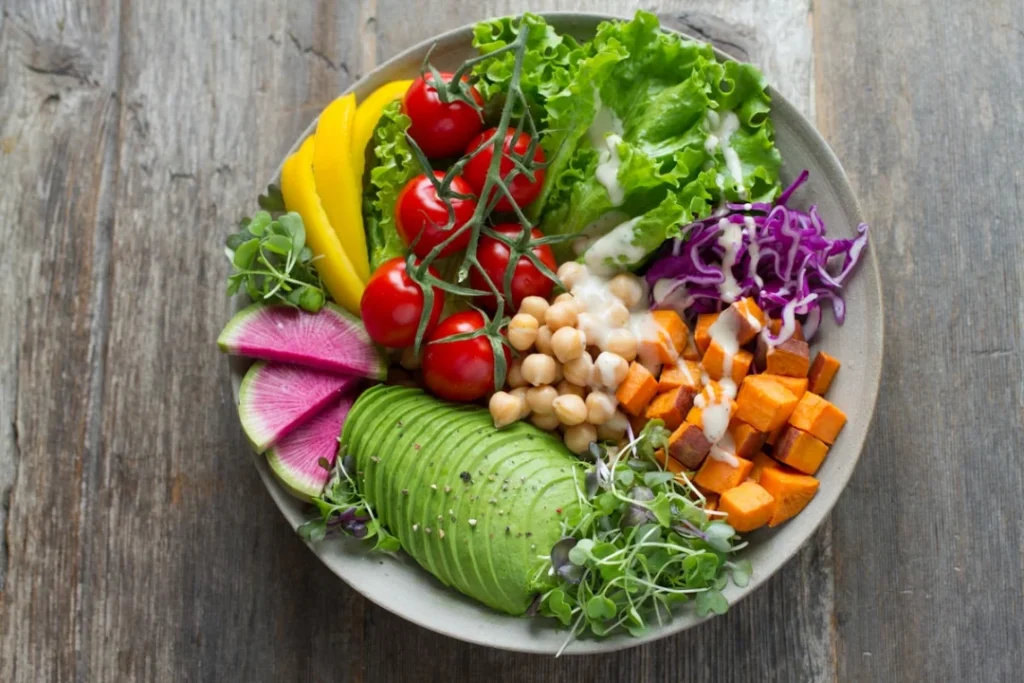
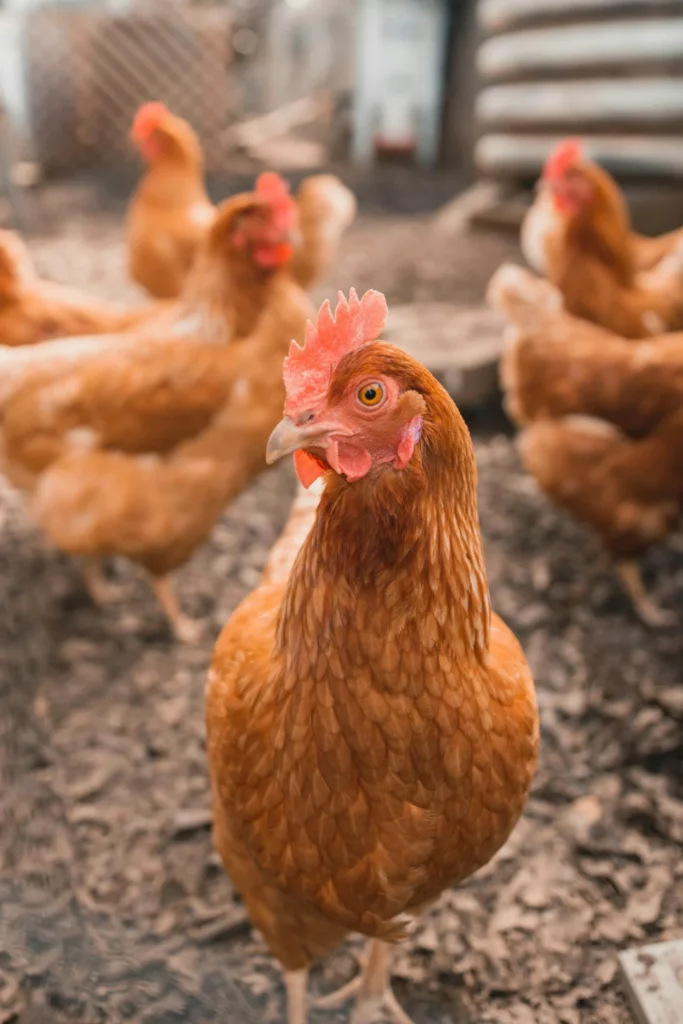
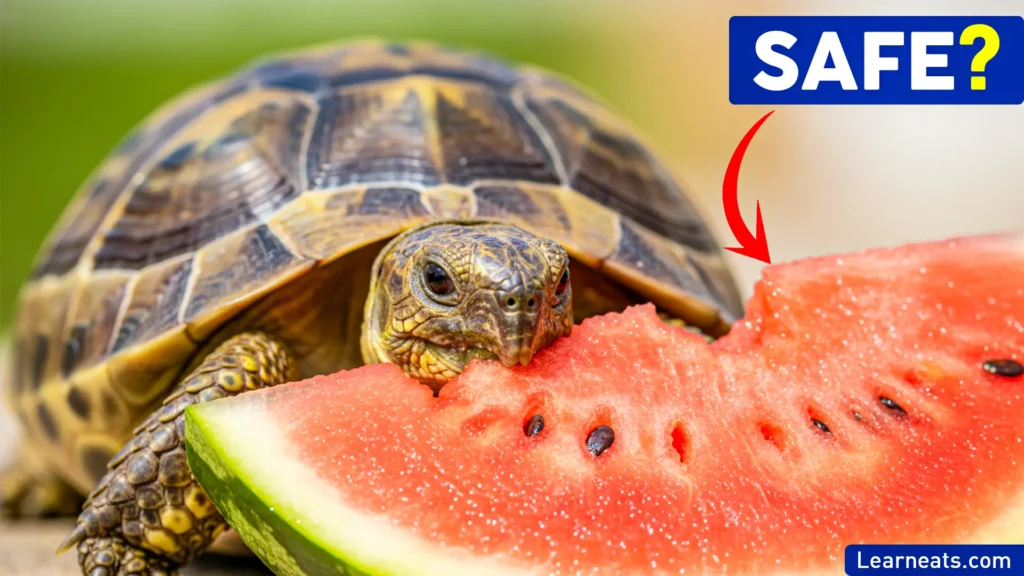
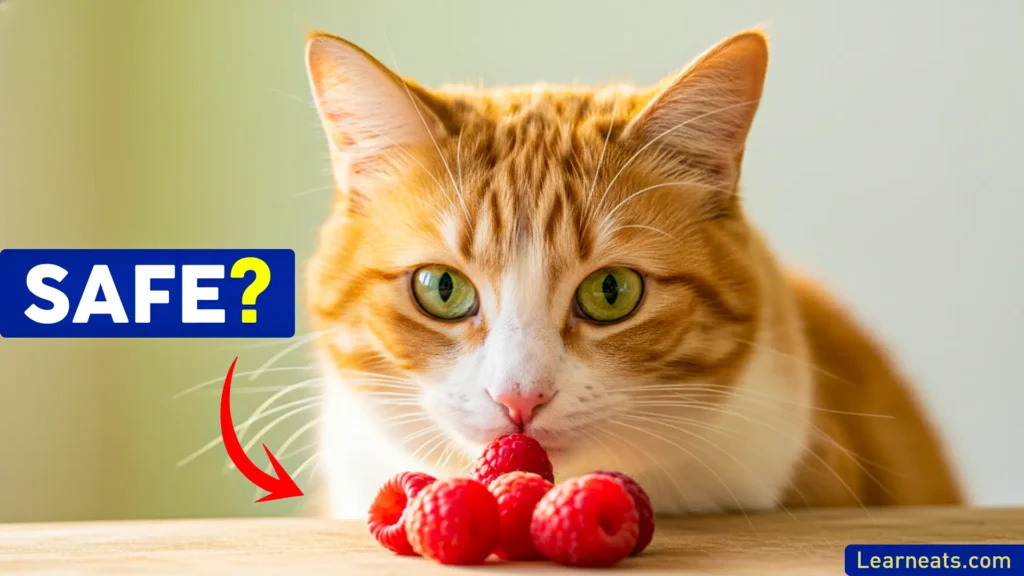
From your dinner table to your dog’s bowl, your backyard coop to your reptile tank — LearnEats gives you science-backed, easy-to-understand food safety guides for every member of your family, furry or feathered.
Whether you’re cooking dinner, feeding the dog, tending the henhouse, or caring for an exotic pet, our category guides break down exactly what’s safe — and what to avoid.
"My cat kept getting into onions before I found LearnEats. Their toxic food list is clear, no jargon, and it's now my go-to before I feed her anything new."
"I meal prep for my family every Sunday and the human diet guides help me keep things balanced without overthinking it. Simple, practical, no gimmicks."
"We raise goats and chickens on our small farm, and honestly most feeding advice online is outdated. LearnEats actually explains the why behind each guideline."
"My bearded dragon had some digestion issues and our vet even said the exotic pet nutrition guide lined up with what she recommended. That gave me a lot of confidence."
"Quick, clear, and no ads shoved in my face every two seconds. I check LearnEats before giving my dog any table scraps now."
"I've bookmarked the produce washing article — I reference it constantly. Small tips like that make a real difference in my kitchen routine."
"Started keeping backyard hens this spring and their layer feed breakdown answered every question I had. Wish I'd found this site sooner."
"My son has food sensitivities and the human diet section helped me understand ingredient labels way better. Straightforward and genuinely useful."
Chocolate, grapes, onions, garlic, and xylitol are common culprits. Even small amounts can cause serious reactions, so always check before sharing scraps.
Yes, every guide is checked against veterinary and nutritional science sources before publishing, and content is regularly updated to reflect new research.
Yes, nutritional needs shift with weather and activity levels. Cold months often require more calories, while breeding season increases protein and mineral demands.