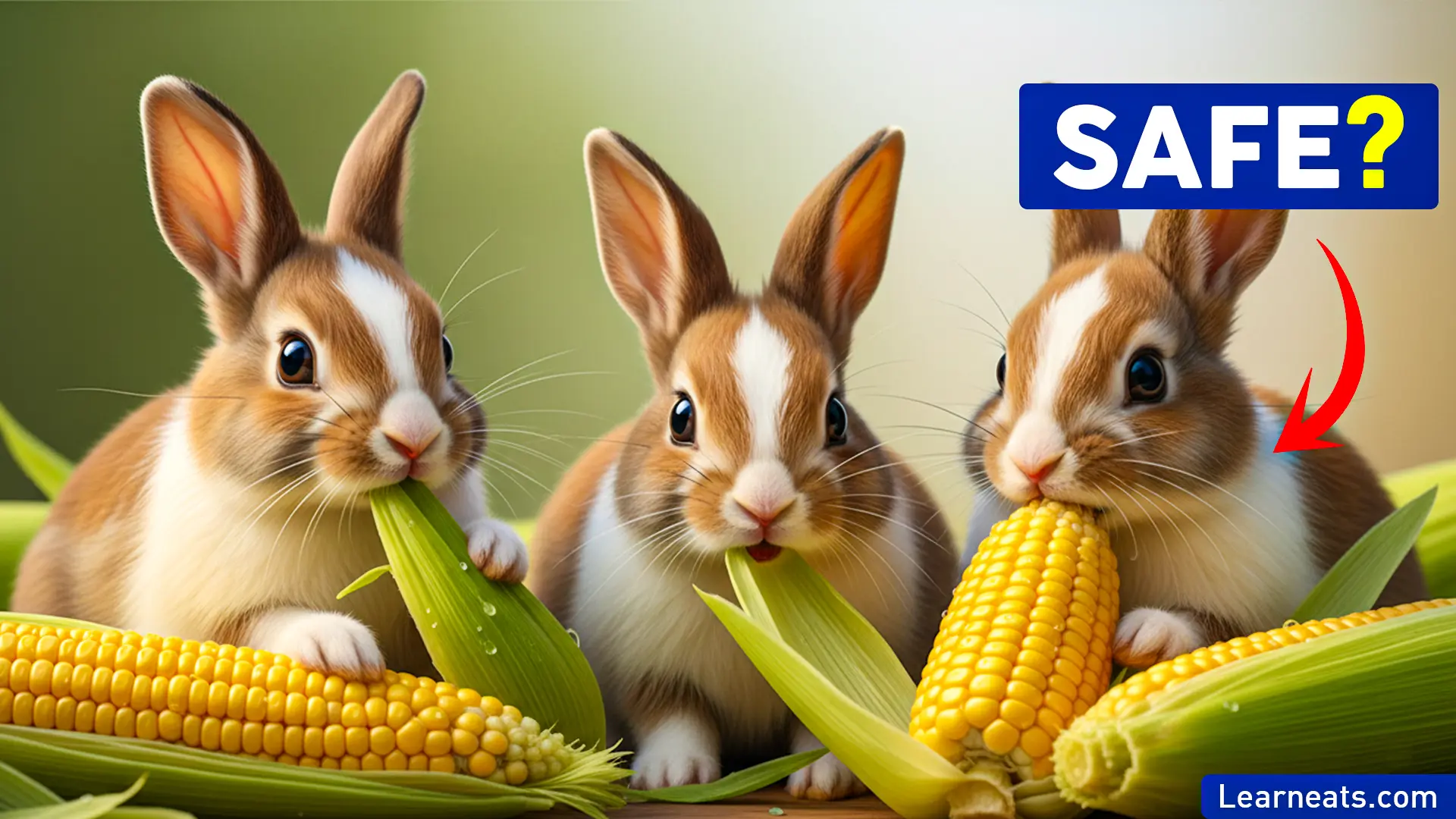
Imagine your fluffy bunny hopping around the kitchen, nose twitching at the fresh scent of summer corn. You’ve just shucked a few ears, and those green husks are piling up but wait, can rabbits eat corn husks? And what about corn on the cob? If you’re pondering is corn husks safe for rabbits or if corn on the cob is a no-go, you’ve come to the right place.
At Learn Eats, we’re your ultimate source for creative rabbit nutrition tips, blending fun facts with expert advice to keep your pet thriving. Picture your curious bun exploring a new treat, whiskers quivering with excitement.
We’ll dive into the safety, benefits, and potential pitfalls, ensuring your rabbit’s diet stays balanced and adventurous. Stick around for rabbit-friendly insights that make feeding time a joy because happy bunnies make happy homes!
Safety: Is Corn Husks Safe for Rabbits?
Absolutely, corn husks are safe for rabbits when prepared properly. These outer leaves are fibrous and mimic the texture of hay, making them a natural fit for a bunny’s digestive system. Rabbits love chewing on them, turning a simple husk into an engaging toy that satisfies their natural gnawing instincts. However, always ensure they’re fresh and clean wash thoroughly to remove any pesticides or dirt that could harm your pet.
Benefits of Corn Husks for Rabbits
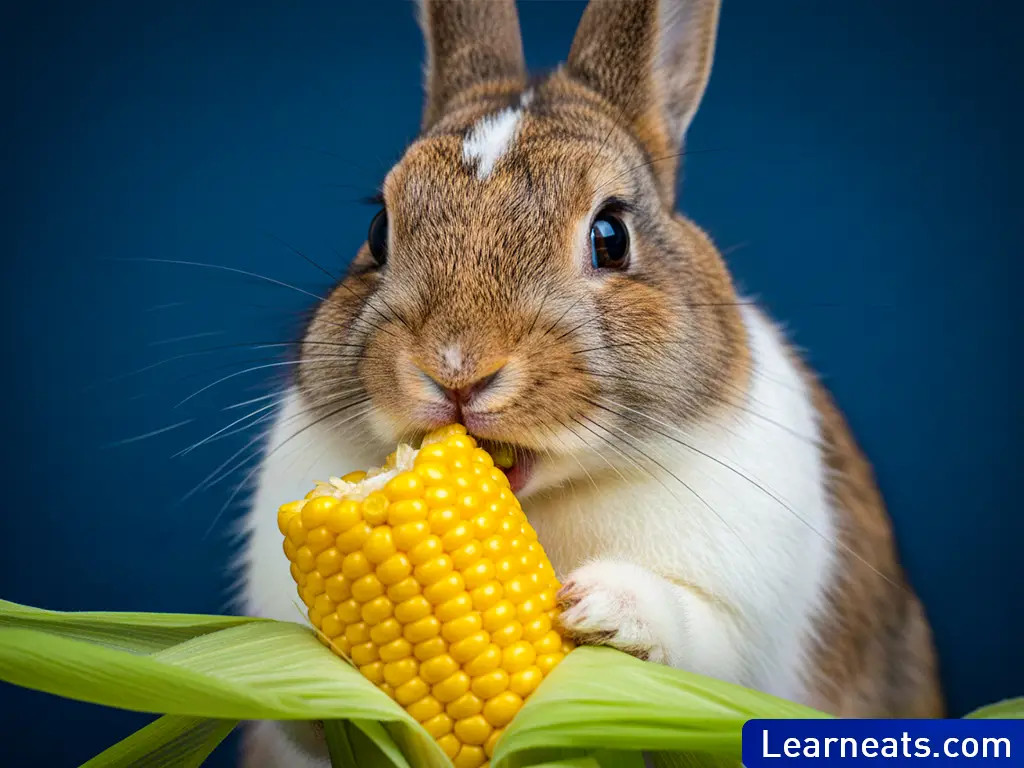
The benefits of corn husks for rabbits are plentiful, starting with their high fiber content that promotes healthy gut motility and prevents issues like GI stasis. They’re low in calories, making them a guilt-free snack that adds variety without packing on pounds. Plus, the chewy texture provides teething relief for young bunnies and keeps adult teeth trimmed naturally.
On warm days, a fresh husk can offer a hydrating nibble, infused with subtle natural flavors that excite your rabbit’s senses. Imagine your bun’s ears perking up at the crinkly sound it’s like a mini forage adventure in their hutch! While corn husks shine here, remember they’re treats, not staples, complementing a hay-based diet.
Risks of Feeding Corn Husks and Corn on the Cob to Rabbits
While corn husks are generally safe, overfeeding can lead to blockages if your rabbit gobbles too much at once especially for enthusiastic chewers. Monitor portions and supervise playtime to avoid this. Moldy or stale husks are a big no, as they can cause digestive upset.
Now, the risks of feeding corn on the cob to rabbits are more severe: the hulls of kernels can’t be digested, potentially causing life-threatening impactions or bloating. The cob itself is tough, risking intestinal wounds or obstructions if ingested.
High sugar and starch levels disrupt a rabbit’s delicate gut balance, leading to diarrhea or worse. Always remove silk strands too, as they pose choking hazards.

Rabbit Nutrition Tips: Creative Serving Ideas
To make the most of corn husks, try these fun tips: Shred them into smaller pieces and mix with timothy hay for a berry-infused forage wait, no berries here, but pair with safe greens like dandelion for extra excitement. Roll husks into balls for a playful toy, encouraging exercise.
For seasonal twists, offer husks from your summer garden harvest, turning waste into wonder. Always introduce slowly to watch for reactions. If husks aren’t available, explore other rabbit-friendly fruits like small apple slices or berries in moderation. Remember, 80-90% of a rabbit’s diet should be hay, with treats like husks limited to 1-2 times a week. Consult a vet for personalized advice, especially for bunnies with sensitive tummies.
In summary, corn husks can be a ruby-red er, green-leafy gem in your rabbit’s menu, but steer clear of corn on the cob for peace of mind. With these insights, you’ll craft a diet that’s as creative as it is nutritious.
Final Words
Wrapping up, embracing safe rabbit nutrition tips like offering corn husks can add joy to your bunny’s routine, highlighting the benefits of corn husks for rabbits such as fiber boost and chewing satisfaction.
Yet, always weigh the risks of feeding corn on the cob to rabbits, which include serious digestive woes. Spoil your furry friend wisely with nature’s fibrous gifts, but prioritize balance hay first, treats second.
Did you know that? Puppies Eat Corn
Frequently Asked Questions
1. Can rabbits eat corn husks safely?
Yes, corn husks are safe for rabbits in moderation. They’re fibrous like hay, aiding digestion just wash them well and remove any silk or kernels for rabbit nutrition tips.
2. Is corn on the cob safe for rabbits?
No, corn on the cob is not safe for rabbits. The kernels’ hulls can cause blockages, and the cob poses choking risks stick to rabbit-friendly fruits instead.
3. What are the benefits of corn husks for rabbits?
Benefits of corn husks for rabbits include high fiber for gut health, low calories for weight management, and chewy fun that trims teeth naturally.
4. How many corn husks can a rabbit eat without issues?
Limit to 1-2 small husks per week. Overdoing it risks blockage, so monitor your bunny and pair with hay for balanced rabbit nutrition tips.
5. What makes corn husks a top rabbit-friendly treat?
Their natural fiber and texture make corn husks rabbit-friendly, offering hydration and enrichment without the sugar overload of fruits.
6. Are there risks of feeding corn husks to rabbits?
Risks include potential blockages if eaten too quickly or if moldy. Always use fresh, clean husks to avoid tummy troubles.
7. Can baby rabbits eat corn husks?
Young rabbits can nibble corn husks for teething relief, but introduce slowly and supervise to ensure safe munching.
8. How to prepare corn husks for rabbits?
Wash thoroughly, remove silk and kernels, and offer fresh. Dry them for toys a creative twist on rabbit nutrition tips.
9. Why avoid corn on the cob in rabbit diets?
Corn on the cob’s starch and indigestible parts lead to GI issues; opt for safer rabbit-friendly fruits like small berry portions.
10. What if my rabbit ate corn on the cob by accident?
Monitor for bloating or lethargy; contact a vet immediately if symptoms appear, as risks of feeding corn on the cob are serious.