This article is for general informational purposes only and does not replace personalized veterinary advice; always consult a licensed veterinarian regarding your dog’s specific health needs.
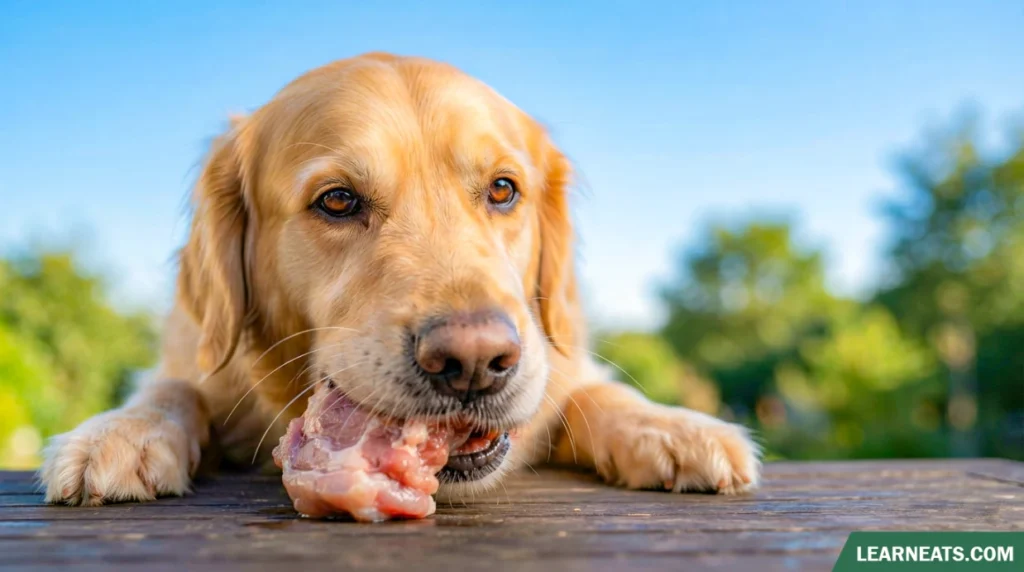
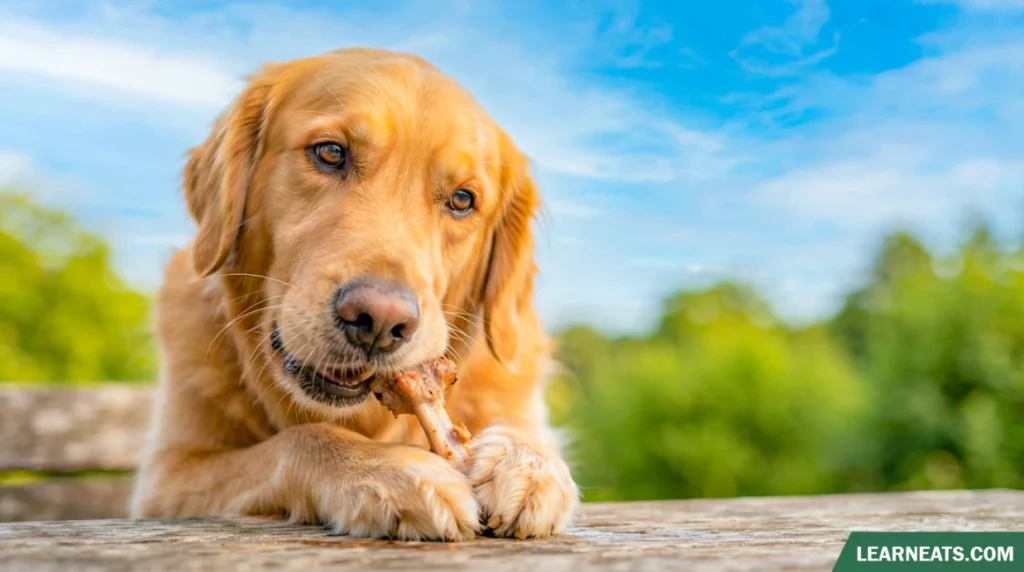
No, dogs should not eat pork chop bones, whether raw or cooked. The meat from a pork chop can be safe for dogs in small, plain, fully cooked portions, but the bone itself is a genuine emergency risk. Pork bones are notorious for splintering into sharp shards that can slice the mouth, lodge in the throat, or puncture the stomach and intestines.
If your dog just grabbed a pork chop off the counter, or you’re wondering whether to toss them the bone after dinner, this guide breaks down exactly what’s safe, what’s dangerous, and what to do if things go wrong.
Can Dogs Eat Pork Chops? The Short Answer
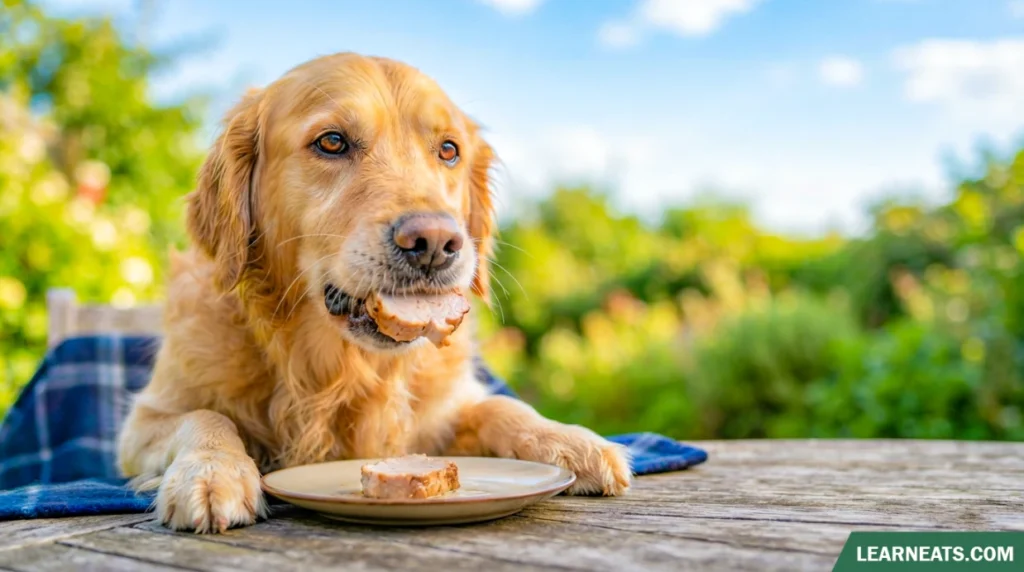
Plain, boneless, thoroughly cooked pork chop meat can be an occasional treat for most healthy adult dogs. Pork is a lean, high-quality protein packed with essential amino acids, B vitamins, zinc, and potassium, and dogs generally digest it well.
That said, “can dogs eat pork chops” and “can dogs eat pork chop bones” are two very different questions with two very different answers. The meat, prepared correctly, is generally fine. The bone is not.
Safe pork chop rules for dogs:
- Cook the meat fully — pork must reach a safe internal temperature to kill parasites and bacteria
- Skip all seasoning, marinades, garlic, onion, and salt
- Trim off excess fat before serving
- Cut the meat into small, bite-sized pieces
- Remove the bone completely before the plate ever reaches the floor
According to a veterinarian-reviewed PetMD nutrition guide, dogs can have small amounts of plain, unseasoned pork as long as the meat is fully cooked, excess fat is trimmed away, and it’s removed from the bone entirely before it reaches the bowl.
Can Dogs Eat Pork Chop Bones? Why the Answer Is No
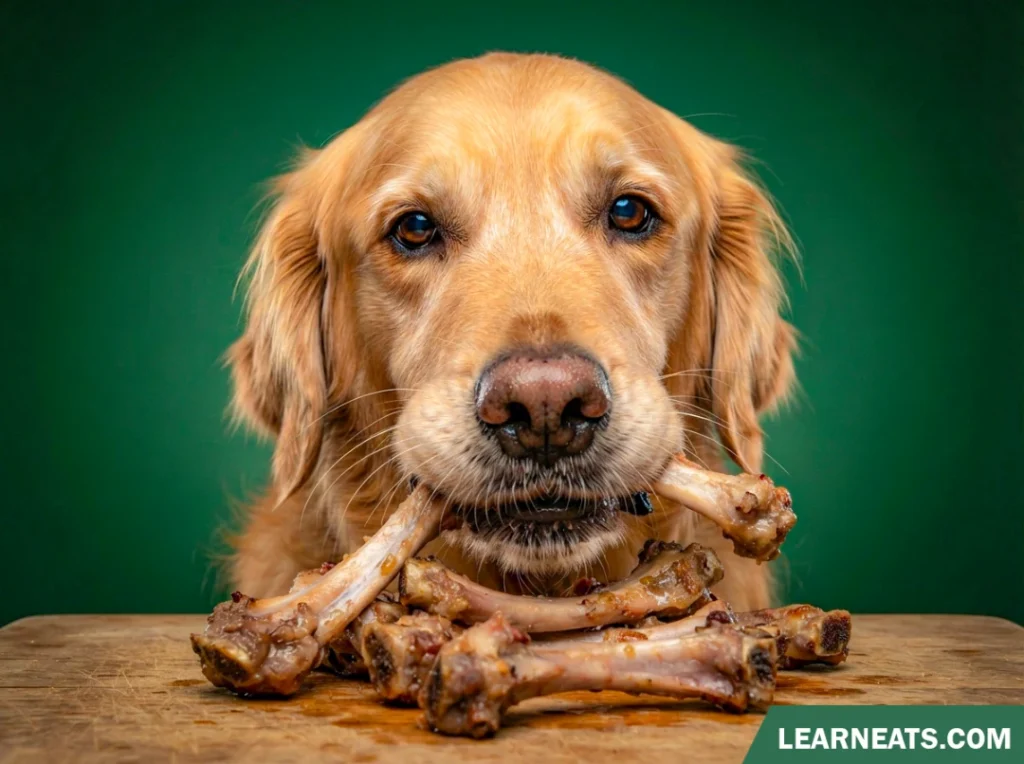
This is where most pet owners get it wrong. It feels natural to hand over the bone as a reward once the meat is gone — dogs love bones, right? Pork bones are the exception to that instinct.
Pork chop bones are dangerous for dogs because they:
- Splinter easily. Unlike the dense bones of larger animals, pork bones have a brittle structure that breaks into sharp, jagged fragments rather than crumbling.
- Get worse when cooked. Cooking removes moisture from the bone, making it even more fragile. A bone that goes into the oven soft comes out dry, hard, and prone to shattering under a dog’s bite force.
- Fit choking size for many dogs. Pork chop and rib bones are small enough that a medium or large dog can attempt to swallow a whole piece, raising the risk of it lodging in the throat.
- Can pierce internal tissue. Sharp shards can cut the tongue, gums, cheeks, and soft palate on the way down, and cause deeper punctures if they reach the stomach or intestinal lining.
- Can cause an obstruction. A bone fragment stuck anywhere along the digestive tract can trigger a blockage, a true veterinary emergency that often requires surgery.
Medical guidance is consistent on this point: dogs should not have pork chop bones, especially cooked ones, because the bones can break and splinter in ways that puncture the mouth, gums, and gastrointestinal tract or cause an obstruction.
Raw vs. Cooked Pork Chop Bones: Is Either One Safer?
Many owners assume raw pork bones are the safer alternative since raw bones don’t dry out in the oven. That assumption only tells half the story.
- Cooked pork bones are the more immediate splintering hazard. Heat pulls moisture out, leaving a bone that shatters into needle-like pieces the moment a dog bites down.
- Raw pork bones are somewhat less brittle, but they carry their own serious problem: bacterial contamination. Raw pork can harbor Salmonella, E. coli, Listeria, and the parasite Trichinella spiralis, all of which can make a dog (and the humans handling the bone) seriously ill.
Neither version gets a green light from veterinary professionals. Pork bones, cooked or raw, sit in a different risk category than large raw beef or bison bones, which are occasionally recommended for supervised heavy chewers precisely because their size and density make them far less likely to be swallowed whole or splintered into shards.
What Happens If a Dog Eats a Pork Chop Bone?
Not every dog that swallows a bone fragment ends up in the emergency room, but the signs of trouble can appear within hours or take a day or two to surface. Watch closely for:
- Vomiting or repeated gagging
- Coughing, choking, or pawing at the mouth
- Reluctance to eat or drink
- Drooling more than usual
- Diarrhea, especially with blood
- Abdominal pain, bloating, or a hunched posture
- Lethargy or noticeable restlessness
- Straining to defecate, or no bowel movement at all
If you see any of these signs, treat it as an emergency. Do not wait to “see if it passes.” Bone fragments that puncture the intestinal wall can cause internal bleeding and infection (peritonitis) within a short window, and both conditions can become life-threatening fast.
My Dog Ate a Pork Chop Bone — What Should I Do Now?
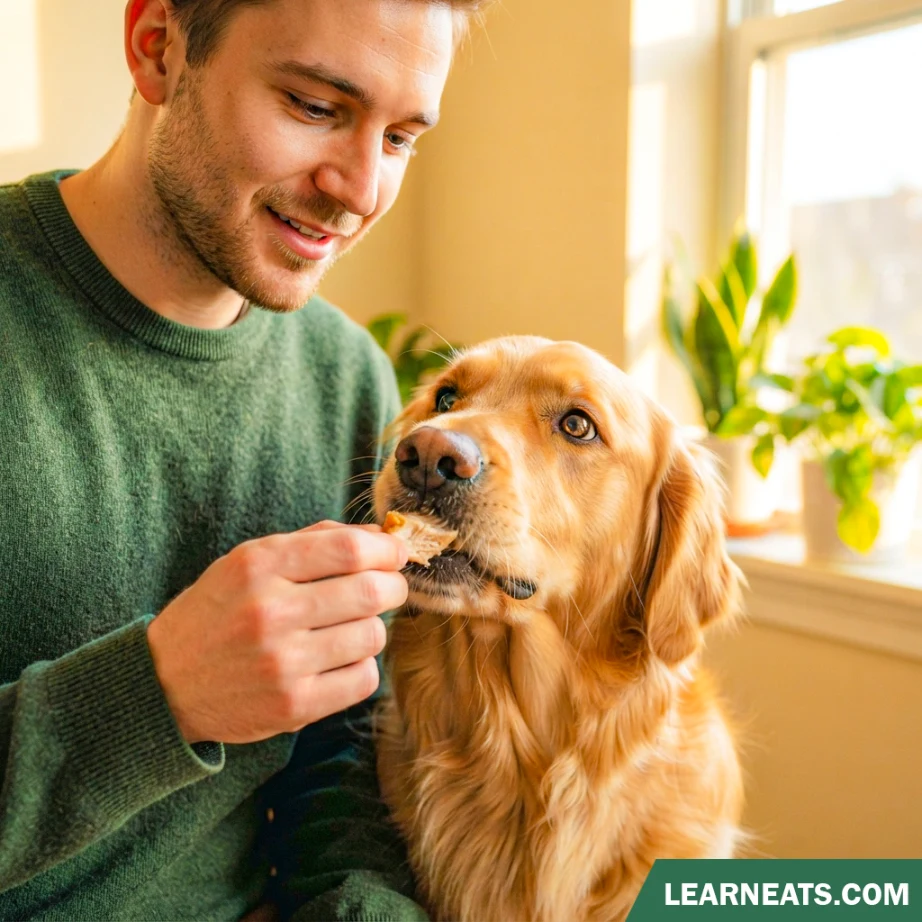
- Stay calm and check the mouth. Gently look for visible bone fragments stuck in the gums, cheek, or roof of the mouth, but do not put your fingers deep into the throat.
- Call your veterinarian or an emergency animal hospital immediately. Describe the size of the bone, how much was eaten, and your dog’s size and breed.
- Do not induce vomiting on your own. Bringing a sharp bone fragment back up can cause just as much damage on the way out as it did going down. Only induce vomiting if a veterinarian specifically instructs you to.
- Skip food and treats for a few hours unless your vet says otherwise, so the digestive tract isn’t put under additional strain.
- Monitor stool for the next 24–72 hours if a vet has cleared your dog to be watched at home, and report any blood, straining, or continued vomiting right away.
- Get an X-ray if recommended. Vets often use imaging to confirm whether a bone fragment is moving through the gut naturally or has become lodged, which changes the treatment plan entirely.
Can Puppies Eat Pork Chop Bones?
No — and puppies face even higher stakes than adult dogs. A puppy’s teeth, jaw, and digestive tract are still developing, and their intestines are narrower, so even a small bone fragment can trigger a blockage more easily than in a full-grown dog. Puppies also tend to chew more aggressively and swallow larger pieces without breaking them down first, since they haven’t yet learned to gauge what’s too big or too sharp to gulp down. The same “no bones” rule that applies to adult dogs applies even more strictly to puppies.
Data Table: Pork Chops and Pork Bones — Safety at a Glance
| Form of Pork | Safety Level for Dogs | Main Risk | Vet Recommendation |
|---|---|---|---|
| Cooked, plain, boneless pork chop meat | Generally Safe (in moderation) | High fat content if not trimmed | Offer in small, bite-sized pieces occasionally |
| Raw, boneless pork chop meat | Not Recommended | Salmonella, E. coli, Trichinella parasite | Always cook pork thoroughly before feeding |
| Seasoned or marinated pork chop | Unsafe | Garlic, onion, excess salt toxicity | Avoid seasoning entirely; plain meat only |
| Cooked pork chop bone | Dangerous | Splintering, choking, GI puncture, obstruction | Never feed; discard immediately after cooking |
| Raw pork chop bone | Dangerous | Bacterial contamination, splintering, dental fractures | Never feed; not a safe raw-bone option |
| Pork rib bones | Dangerous | Small size increases choking/obstruction risk | Never feed |
| Pork rinds/cracklings | Unsafe | Extremely high fat and sodium; pancreatitis risk | Avoid; choose plain lean meat instead |
Safer Alternatives to Pork Chop Bones
If your dog loves to chew, there are far safer ways to satisfy that instinct without gambling on a splintering bone:
- Vet-approved dental chews designed specifically for a dog’s size and chewing strength
- Bully sticks or single-ingredient beef muscle chews, which are digestible and less likely to splinter
- Large, raw beef or bison marrow bones, sized so your dog physically cannot swallow them whole, and always offered under supervision
- Frozen KONG toys stuffed with dog-safe food, which provide a long-lasting chewing outlet without any bone risk
- Rubber chew toys built for aggressive chewers
Rotating a few of these options keeps your dog engaged, supports dental health, and removes the guesswork entirely.
How Much Pork Chop Meat Can a Dog Safely Eat?
Treats, including pork, should never make up more than about 10% of a dog’s total daily calories, with the rest coming from a complete, balanced dog food. As a general guide, a serving is roughly a half-inch piece of meat:
- Extra-small dogs (2–10 lbs): about 1 small piece
- Small dogs (11–20 lbs): 1–2 pieces
- Medium dogs (21–50 lbs): 2–3 pieces
- Large dogs (51–90 lbs): 3–4 pieces
- Extra-large dogs (91+ lbs): 4–5 pieces
Introduce pork slowly the first time, and watch for any signs of an upset stomach before making it a regular addition.
Did you know that? Can Dogs Eat Turkey Pepperoni?
Frequently Asked Questions
Can dogs eat pork chops?
Yes, dogs can eat small amounts of pork chop meat as long as it’s fully cooked, unseasoned, and cut off the bone. Trim excess fat first, and keep portions small relative to your dog’s size.
Can dogs eat pork chop bones?
No. Pork chop bones, cooked or raw, splinter easily and can cause choking, mouth injuries, or a life-threatening intestinal obstruction. Always remove the bone before offering pork to a dog.
Are pork chop bones safe for dogs?
Pork chop bones are not considered safe by veterinary professionals in any form. Their tendency to splinter into sharp shards makes them a leading cause of preventable emergency vet visits related to bones.
Can puppies eat pork chop bones?
No, puppies should never be given pork chop bones. Their smaller digestive tracts and developing teeth make them even more vulnerable to choking, dental injury, and intestinal blockages than adult dogs.
My dog ate a pork chop bone — is that an emergency?
It can be. Contact your veterinarian or an emergency animal hospital right away, describe what and how much was eaten, and watch closely for vomiting, drooling, lethargy, or straining to defecate.
Can dogs eat raw pork chops?
No. Raw pork can carry parasites like Trichinella spiralis along with bacteria such as Salmonella and E. coli. Pork should always be cooked to a safe internal temperature before it reaches your dog’s bowl.
Can dogs eat cooked pork chop bones?
No. Cooking actually makes pork bones more brittle by drying them out, which increases the likelihood that the bone will splinter into sharp fragments when chewed.
What are the signs my dog swallowed a pork bone fragment?
Common warning signs include vomiting, gagging, drooling, reduced appetite, bloody diarrhea, abdominal pain or bloating, lethargy, and straining during bowel movements. Any combination of these warrants an immediate call to your vet.
Can dogs have pork chop bones if they’re small pieces?
No. Even small splinters can cause serious internal damage or become lodged in the throat or intestines. Size does not make a pork bone fragment safe.
Are there any bones that are safe for dogs?
Some veterinarians allow large, raw beef or bison bones under close supervision because their size and density make splintering and swallowing far less likely. Pork bones do not fall into this safer category due to their brittle structure.
How do I stop my dog from grabbing pork bones off the counter or trash?
Keep raw and cooked pork bones sealed in a container your dog cannot access, take out trash immediately after cooking, and supervise pets closely during meal prep. Training a reliable “leave it” command also helps in moments of temptation.
Can dogs eat pork chops every day?
Pork chop meat should stay an occasional treat rather than a daily habit, generally making up no more than about 10% of a dog’s total daily calorie intake. A complete, balanced dog food should remain the foundation of the diet.