This article is for informational purposes only and does not replace professional veterinary advice; always consult your veterinarian before changing your dog’s diet.
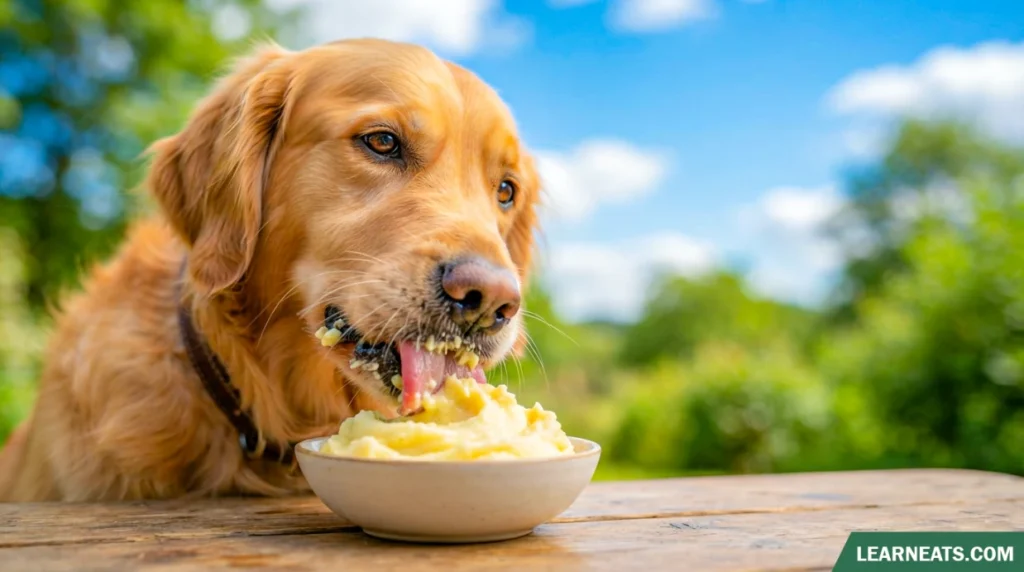
Yes, dogs can eat mashed potatoes, but only when they are plain, fully cooked, and free of butter, salt, milk, gravy, and seasonings. The potato itself is not toxic to dogs, but almost everything humans add to a mashed potato recipe is. Before a spoonful ends up in the dog bowl this holiday season, pet parents need to know exactly what makes this comfort food risky and how to serve it the right way.
Mashed potatoes sit on nearly every dinner table from Thanksgiving to a regular Tuesday night, and dogs are experts at noticing when something delicious is within nose-reach. According to health experts at PetMD, plain, cooked potatoes prepared without butter or seasoning are the safest way to share this starchy side with a canine companion. The traditional version people actually eat, however, is a different story entirely.
Why Regular Mashed Potatoes Are Risky for Dogs
A dog’s digestive system is not built to handle the same rich, fatty, and salty ingredients that make mashed potatoes taste good to people. Medical research suggests that several common additions turn an otherwise harmless side dish into a genuine hazard.
- Butter and cream: High in saturated fat, these ingredients can trigger pancreatitis, a painful and sometimes life-threatening inflammation of the pancreas, especially in small breeds or dogs already prone to weight issues.
- Garlic and onion (or onion/garlic powder): Members of the allium family contain compounds that damage a dog’s red blood cells, potentially leading to hemolytic anemia. Even powdered forms in gravy or seasoning blends carry this risk.
- Salt: A dog’s kidneys are not designed to filter large amounts of sodium. Excess salt intake can cause dehydration, excessive thirst, vomiting, and in severe cases, sodium ion poisoning.
- Milk and dairy: Many adult dogs are lactose intolerant, so cream-heavy or milk-based mash can cause gas, bloating, or diarrhea.
- Chives and scallions: Often used as a garnish, these belong to the same toxic plant family as onions and garlic.
Are Mashed Potatoes Good for Dogs When Made Plain?
Plain potatoes, boiled or baked with no additives, actually offer a few nutritional upsides. They contain vitamin B6, vitamin C, potassium, and dietary fiber, all of which support a dog’s energy metabolism and digestive health in small amounts. This is part of why cooked potato shows up as an ingredient in some commercial dog foods.
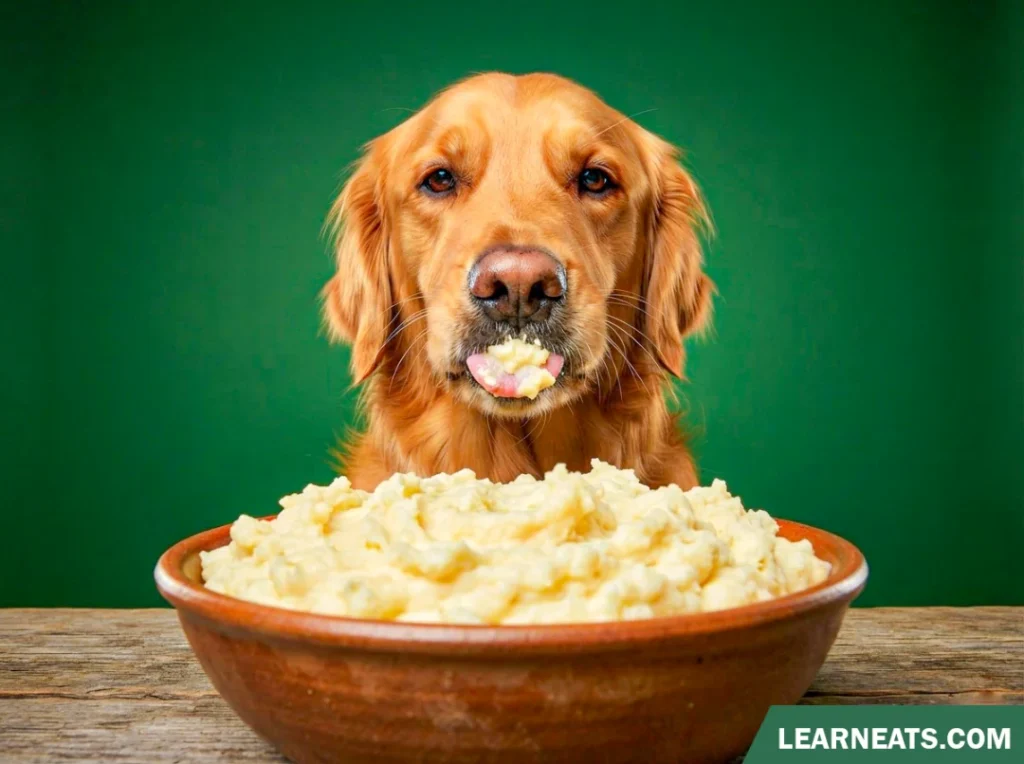
The problem is not the potato itself — it is quantity and preparation. Potatoes are carbohydrate-dense and calorie-heavy, so a diet built around them can contribute to unwanted weight gain, and dogs managing diabetes should avoid potatoes altogether because of their effect on blood sugar. A plain, unseasoned mash should stay an occasional treat, never a meal replacement, and it should make up no more than about 10% of a dog’s daily caloric intake.
Can Dogs Eat Instant Mashed Potatoes?
Instant mashed potatoes are one of the riskiest versions to share. The boxed mix typically contains dehydrated milk powder, butter flavoring, preservatives, and a heavy dose of sodium to compensate for the loss of flavor during processing. Some flavored varieties also include onion or garlic powder baked directly into the mix. Because of this concentrated salt and additive load, instant mashed potatoes are best kept entirely off the menu for dogs, even in small servings.
Can Dogs Eat Mashed Potatoes and Gravy?
Gravy is almost always a bigger risk than the potatoes underneath it. Most gravies are built on a base of meat drippings, butter, flour, and salt, and many recipes call for onion or garlic for flavor. Even a “safe” gravy is typically too fatty and salty for a dog’s system to process comfortably. If a dog steals a bite of potatoes with gravy at a holiday dinner, this is not usually an emergency, but it is worth watching for digestive upset over the following 24 hours.
Data Table: Mashed Potato Safety Levels for Dogs
| Type of Mashed Potato | Safety Level | Main Concern | Recommended Serving |
|---|---|---|---|
| Plain, boiled/mashed potato (no additives) | Safe in moderation | Calorie-dense carbohydrate | 1–2 tablespoons occasionally |
| Mashed potato with butter | Use caution | Saturated fat, pancreatitis risk | Avoid or serve rarely, tiny amount |
| Mashed potato with milk/cream | Use caution | Lactose intolerance, GI upset | Avoid for lactose-sensitive dogs |
| Mashed potato with salt | Risky | Sodium ion poisoning, dehydration | Avoid entirely |
| Mashed potato with garlic/onion/gravy | Unsafe | Hemolytic anemia (toxic) | Never feed |
| Instant mashed potato mix | Unsafe | High sodium, preservatives, additives | Never feed |
| Raw or green potato/skin | Unsafe | Solanine toxicity | Never feed |
Can Puppies Eat Mashed Potatoes?
Puppies have smaller stomachs, faster metabolisms, and far less digestive tolerance than adult dogs, which makes them more sensitive to rich or salty foods. A tiny, plain, unseasoned taste is unlikely to cause harm, but puppies are still developing their gut microbiome and nutritional needs, so starchy human food offers little benefit at this stage. Veterinarians generally recommend keeping puppies on a complete, age-appropriate puppy food and holding off on table food experiments like mashed potatoes until the dog reaches adulthood.

How to Safely Prepare Mashed Potatoes for a Dog
Pet parents who want to share a dog-friendly version can follow a simple process:
- Peel the potato completely. Skins carry higher oxalate levels and are harder for dogs to digest.
- Boil until soft, using plain water with no bouillon, salt, or seasoning cubes.
- Mash with a fork or masher, adding a small splash of plain water or unsalted, low-sodium chicken broth instead of butter or milk.
- Skip every seasoning, including salt, pepper, garlic powder, and onion powder.
- Let it cool fully before offering it, and serve only a spoonful alongside the dog’s normal meal, not as a replacement for it.
Signs of Trouble After a Dog Eats the Wrong Kind of Mashed Potato
Contact a veterinarian promptly if a dog shows any of the following after eating seasoned, buttery, or gravy-covered mashed potatoes:
- Vomiting or repeated diarrhea
- Lethargy or unusual weakness
- Loss of appetite
- Excessive thirst or urination
- Pale gums (a possible sign of anemia from onion or garlic exposure)
- Abdominal pain, restlessness, or a hunched posture
Garlic and onion toxicity symptoms can take a day or more to appear fully, so monitoring should continue for at least 24–48 hours after any suspected exposure. According to veterinary nutrition guidance published by PetMD, plain, cooked potatoes prepared without butter or seasoning are the best option for dogs, while raw potatoes, green skins, fries, and heavily seasoned dishes should be avoided since they can be toxic or trigger digestive problems.
Healthier Alternatives to Mashed Potatoes
Dogs who enjoy a soft, mashed treat do not need to rely on potatoes at all. Several options deliver more nutritional value with fewer risks:
- Plain mashed sweet potato: Rich in vitamin A, fiber, and antioxidants, and generally easier on a dog’s blood sugar than white potato.
- Plain canned pumpkin: A fiber-rich, low-calorie option that also supports healthy digestion.
- Mashed cooked carrots: Low in calories and packed with beta-carotene.
- Plain cooked green beans: A crunchy, low-calorie snack many dogs enjoy mashed or whole.
The Bottom Line for Pet Parents
A small spoonful of plain, unseasoned mashed potato is unlikely to hurt most healthy adult dogs. The version sitting on a dinner table during a holiday meal, however, usually is not that plain version — it typically carries butter, salt, milk, or gravy that can range from mildly upsetting to genuinely dangerous. The safest approach is to prepare a separate, plain batch specifically for the dog, keep portions small, and treat it as an occasional extra rather than a diet staple. Any dog with diabetes, pancreatitis history, obesity, or a known food sensitivity should skip potatoes entirely unless a veterinarian says otherwise.
Did you know that? Can Dogs Eat Raw Sweet Potatoes?
Frequently Asked Questions
Can dogs eat mashed potatoes with butter and milk?
Small amounts occasionally are unlikely to cause serious harm in a healthy dog, but butter and milk add unnecessary fat and lactose that can trigger stomach upset or contribute to pancreatitis over time. It is safer to prepare a plain version with just water or unsalted broth instead.
Are mashed potatoes bad for dogs?
Mashed potatoes are not inherently bad when made plain and served in small portions, but the typical recipe loaded with butter, salt, and gravy can cause digestive upset, weight gain, or worse. The preparation method determines whether it’s a treat or a hazard.
Why can’t dogs eat mashed potatoes made the traditional way?
Traditional recipes usually include garlic, onion, excess salt, butter, and dairy, all of which a dog’s body handles poorly. These additives, not the potato itself, are what make the dish risky for dogs.
Can I give my dog mashed potatoes every day?
No. Even a plain version should stay an occasional treat, ideally no more than a couple of times a week and in small portions, since potatoes are carbohydrate-dense and can lead to weight gain if fed daily.
Is mashed potatoes good for dogs with an upset stomach?
Plain, unseasoned mashed potato is sometimes used as part of a short-term bland diet because it’s easy to digest and gentle on the gut. It should not be used for more than a few days, and a veterinarian should be consulted for ongoing digestive issues.
Can dogs eat mashed potatoes and gravy safely?
Generally no. Most gravies contain onion, garlic, excess fat, and salt, all of which pose health risks to dogs. A single small lick at a holiday dinner is rarely an emergency, but gravy should not be offered intentionally.
Can puppies eat mashed potatoes?
Puppies can have a tiny, plain taste occasionally, but their developing digestive systems handle rich or starchy human food poorly. A complete, age-appropriate puppy food should remain the primary source of nutrition.
Can dogs eat instant mashed potatoes?
Instant mashed potato mixes are not recommended because they typically contain high sodium levels, preservatives, and dehydrated dairy or flavoring additives that can upset a dog’s digestive system.
What happens if a dog eats potatoes with garlic or onion?
Garlic and onion contain compounds that damage red blood cells and can lead to hemolytic anemia, a serious condition. Watch for pale gums, lethargy, vomiting, or rapid breathing, and contact a veterinarian immediately if these appear.
Are mashed potatoes safe for dogs with diabetes?
No. Potatoes are high in carbohydrates and can cause blood sugar spikes, making them unsuitable for dogs managing diabetes. A veterinarian should be consulted about appropriate treat alternatives for diabetic dogs.
How much mashed potato can a dog safely eat?
A small spoonful, roughly one to two tablespoons for a medium-sized dog, is a reasonable occasional portion of the plain version. Potatoes should never exceed about 10% of a dog’s total daily calorie intake.
Can dogs eat mashed potato skins?
Potato skins are harder for dogs to digest and contain higher levels of oxalates than the flesh, so it’s best to peel potatoes before mashing them for a dog. Skins should always be removed if the potato shows any green coloring, which signals the presence of toxic solanine.