This article is for general informational purposes only and does not replace personalized medical advice from a licensed veterinarian.
Quick Answer
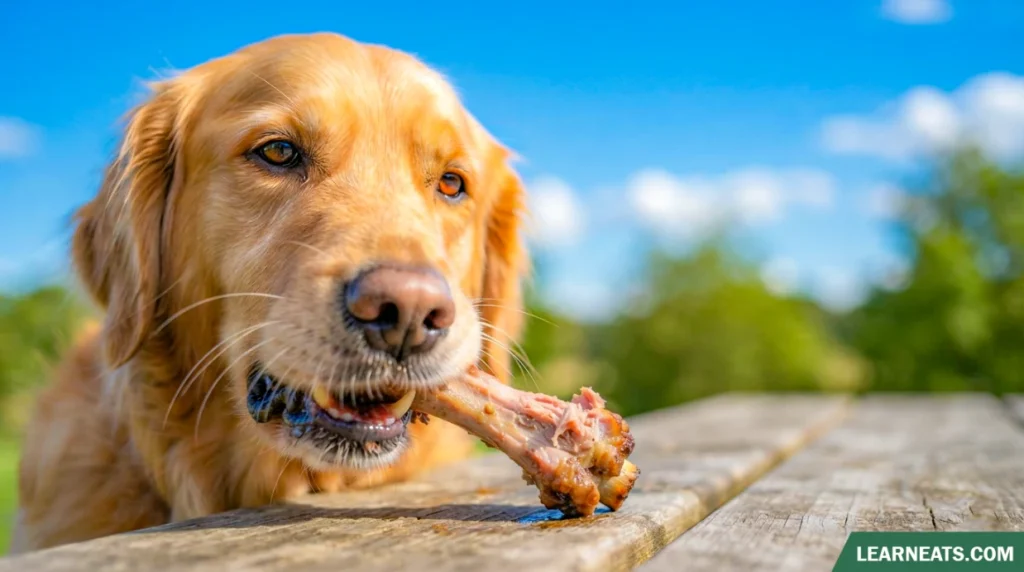
Yes, dogs can have cooked pork meat in small, plain portions — but cooked pork bones are never safe and should never be given to a dog under any circumstances. The meat itself is a lean, digestible protein when it’s unseasoned and boneless. The bone is where the real danger lives, and it’s the reason emergency vet clinics see so many pork-related cases every year. Understanding the difference between the meat and the bone is the single most important thing a pet owner needs to know before sharing dinner scraps.
Is Cooked Pork Safe for Dogs to Eat?
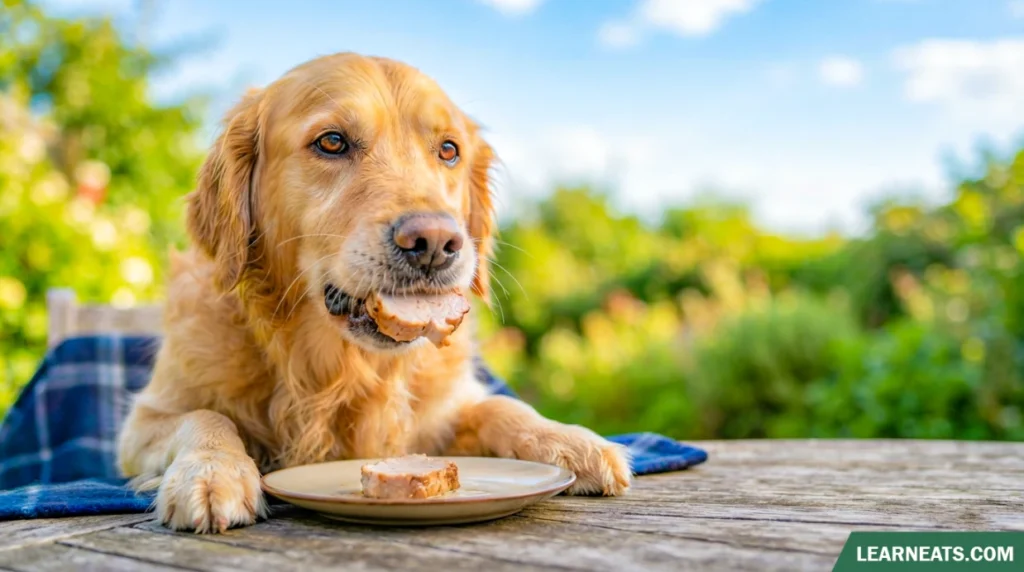
Plain, thoroughly cooked pork is generally considered safe for dogs in moderation. Pork is naturally rich in protein and contains amino acids that support muscle repair and coat health. According to health experts at PetMD, dogs can eat pork as long as it’s fully cooked, unseasoned, trimmed of excess fat, and completely removed from the bone before serving.
That last condition matters more than most owners realize. A juicy pork chop looks harmless on a dog’s plate, but the bone hiding underneath it is the actual hazard — not the meat.
Why the Meat Itself Isn’t the Problem
Cooked pork meat, on its own, offers a few genuine nutritional upsides:
- High-quality protein that supports lean muscle mass
- B vitamins, particularly thiamine, which supports nerve function
- Low allergen profile compared to chicken or beef, making it a useful option for dogs on limited-ingredient diets
- Easily digestible when lean cuts are used and fat is trimmed
Medical research suggests that novel proteins like pork can be a helpful rotation option for dogs with suspected food sensitivities to more common meats. Still, pork should stay an occasional treat rather than a dietary staple — most commercial dog foods are already nutritionally balanced, and stacking extra meat on top can lead to unnecessary weight gain over time.
Raw Pork: A Separate and Serious Risk
Raw or undercooked pork carries its own danger unrelated to bones: trichinella parasites, along with bacteria such as Salmonella and Listeria. These pathogens can cause vomiting, diarrhea, fever, and muscle pain in dogs, and they’re capable of spreading to humans handling the same raw meat. Cooking pork thoroughly to a safe internal temperature neutralizes these pathogens, which is exactly why cooked pork is the only version that belongs anywhere near a dog’s bowl.

How to Cook Pork for Dogs Safely
If a pet owner decides to prepare pork specifically for their dog, a few simple rules keep it safe:
- Choose lean cuts — tenderloin or boneless loin chop work best.
- Skip every seasoning. No salt, garlic, onion powder, pepper, or marinade. Garlic and onion in particular are toxic to dogs even in small amounts.
- Cook it plain — bake, boil, or grill without oil, butter, or sauce.
- Trim visible fat before serving, since fatty scraps can trigger pancreatitis in sensitive dogs.
- Remove every bone fragment before the meat touches the bowl.
- Cut into small, manageable pieces appropriate to the dog’s size to prevent gulping.
- Introduce it slowly, starting with a small piece to watch for digestive upset.
This approach applies whether it’s a fresh-cooked chop for the dog specifically or safely portioned leftovers from a family meal — as long as the seasoning and bones are eliminated.
Why Cooked Pork Bones Are Dangerous for Dogs
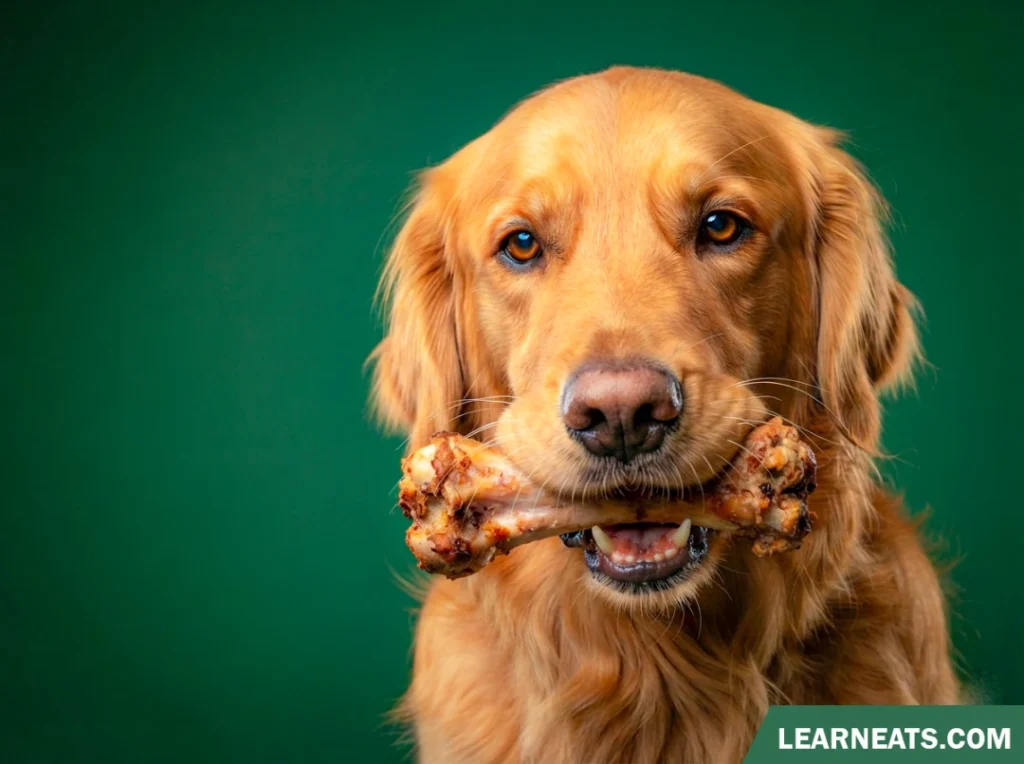
This is where the real warning belongs, and it deserves its own spotlight. Cooked pork bones should never be given to a dog, full stop. The cooking process changes bone structure at a chemical level: heat draws moisture and collagen out of the bone, leaving it dry, brittle, and prone to splintering into sharp, jagged shards the moment a dog bites down.
Those splinters don’t dissolve harmlessly. They can:
- Lodge in the throat or esophagus, triggering choking
- Cut or puncture the tongue, gums, and soft palate
- Perforate the stomach lining or intestinal wall
- Cause partial or complete intestinal blockage requiring emergency surgery
- Lead to internal bleeding or life-threatening infection if a puncture goes untreated
Cooked Pork Rib Bones
Rib bones are among the worst offenders because their long, curved shape makes them easy to swallow in large pieces, and their thin walls splinter almost instantly under a dog’s bite force. A cooked pork rib bone can crack into needle-like fragments that travel through the entire digestive tract before anyone notices a problem.
Cooked Pork Chop Bones
Pork chop bones are denser but no safer. When a dog gnaws through the brittle, cooked bone, it tends to break into jagged chunks rather than a fine powder — chunks large enough to lodge in the throat or gut. Vets consistently classify both cooked pork rib bones and cooked pork chop bones as high-risk foreign bodies, right alongside chicken bones.
What About Raw Pork Bones?
Raw pork bones are somewhat more flexible than cooked ones, but they aren’t a safe substitute. They still carry bacterial contamination risk, can fracture teeth due to their density, and can splinter under enough chewing pressure. Should dogs eat cooked pork bones or raw ones? Neither is recommended by veterinary professionals.
Cooked Pork Safety Comparison Table
| Pork Type | Safety Level | Main Risk | Recommended Serving | Vet Guidance |
|---|---|---|---|---|
| Plain cooked lean pork (tenderloin/loin) | Safe in moderation | Excess fat, weight gain if overfed | Small, bite-sized pieces, 1–2x weekly | Approved as occasional treat |
| Cooked, unseasoned pork chops (boneless) | Safe in moderation | Fat content on marbled cuts | Trim fat, cut small | Approved |
| Seasoned/sauced cooked pork | Unsafe | Garlic, onion, salt toxicity | None | Avoid entirely |
| Bacon, ham, cured pork | Not recommended | High sodium and fat, pancreatitis risk | Rare, tiny amounts only | Discouraged by most vets |
| Pork rinds/crackling | Unsafe | Very high fat and salt | None | Avoid |
| Cooked pork rib bones | Dangerous | Splintering, choking, GI perforation | Never | Strongly against |
| Cooked pork chop bones | Dangerous | Splintering, blockage, oral trauma | Never | Strongly against |
| Raw pork bones | Not recommended | Bacterial contamination, tooth fracture | Never (without vet approval) | Generally against |
| Raw pork meat | Unsafe | Trichinella parasites, bacteria | None | Cook thoroughly first |
What to Do If Your Dog Eats a Cooked Pork Bone
Panic doesn’t help, but speed does. If a dog manages to swallow a cooked pork bone or a piece of one, take these steps immediately:
- Do not attempt to induce vomiting. Bringing sharp fragments back up through the esophagus can cause additional tears and damage.
- Check the mouth gently for any visible bone still lodged there, and remove it only if it’s easily accessible.
- Call the veterinarian or nearest emergency animal hospital right away, even if the dog seems fine. Many blockages take hours or days to show symptoms.
- Withhold food temporarily if instructed by the vet, since eating more can worsen an obstruction.
- Monitor closely for the next 24–72 hours, watching for the emergency signs listed below.
An X-ray is often the only reliable way to confirm whether a bone fragment has passed safely or is stuck somewhere along the digestive tract.
Signs of an Emergency: When to Call the Vet Immediately
Contact a veterinarian without delay if a dog shows any of the following after eating pork or pork bones:
- Repeated vomiting or unproductive retching
- Excessive drooling
- Straining to defecate or complete inability to pass stool
- Visible blood in vomit or stool
- Lethargy or sudden loss of appetite
- Abdominal swelling, pain, or a hunched posture
- Difficulty breathing or persistent coughing/gagging
- Pawing at the mouth or face
Any one of these symptoms on its own warrants a call. Several together point toward a genuine emergency.
Portion Guidelines by Dog Size
As a general starting point for plain, boneless, cooked pork:
- Small dogs (under 20 lbs): 1–2 small bite-sized pieces, once or twice weekly
- Medium dogs (20–50 lbs): A few small pieces, roughly the size of a golf ball total, once or twice weekly
- Large dogs (50+ lbs): A modest palm-sized portion, once or twice weekly
Treats, including pork, should make up no more than 10% of a dog’s total daily calorie intake to avoid nutritional imbalance or weight gain.
Safer Alternatives to Pork Bones
Dogs chew for a reason — it’s instinctual, satisfying, and good for dental health. Instead of reaching for a pork bone, consider:
- Vet-approved dental chews designed to be digestible
- Bully sticks, which are fully digestible and less prone to splintering
- Kong-style toys stuffed with plain peanut butter or pumpkin
- Large, raw, non-weight-bearing beef bones, only under direct supervision and with veterinary approval
- Durable rubber chew toys built specifically for aggressive chewers
These options satisfy the same natural urge to gnaw without the splintering risk that makes pork bones such a common cause of emergency vet visits.
Did you know that? Can Dogs Eat Pork Chop Bones?
Frequently Asked Questions
Can dogs eat cooked pork bones?
No. Cooked pork bones become brittle and splinter easily, creating sharp fragments that can injure the mouth, throat, or digestive tract. Vets consistently recommend removing all bones before offering pork to a dog.
Can dogs eat cooked pork rib bones?
No. Cooked pork rib bones are thin-walled and prone to shattering into needle-like pieces that can puncture the esophagus or intestines. They pose one of the highest choking and perforation risks among common bone types.
Can dogs eat cooked pork chop bones?
No. Cooked pork chop bones break into jagged chunks rather than crumbling safely, and those chunks can cause blockages or internal cuts. It’s best to trim the meat off entirely and discard the bone before serving.
Are cooked pork bones bad for dogs?
Yes, they’re considered one of the more dangerous bone types a dog can chew. Cooking removes moisture and makes the bone dry and fragile, increasing the likelihood of splintering compared to raw bone.
Is cooked pork ok for dogs?
Plain, unseasoned, boneless cooked pork is generally fine for dogs in small amounts. The concern isn’t the meat itself, but bones, seasoning, and excess fat.
Is cooked pork good for dogs?
In moderation, yes — it offers lean protein and B vitamins that support muscle and nerve health. It shouldn’t replace a balanced commercial diet and works best as an occasional treat rather than a daily meal component.
Can I give my dog cooked pork bones just this once?
It’s not worth the risk, even as a one-time treat. Splintering can happen on the very first bite, and the resulting injury can require emergency surgery regardless of how many times it’s been done safely before.
How should pork be cooked for a dog?
Cook it plain with no salt, oil, garlic, or onion, using a lean cut like tenderloin or boneless loin chop. Bake, boil, or grill until fully cooked through, then cut into small pieces and remove any bone fragments before serving.
Can dogs eat bacon, ham, or seasoned pork?
These aren’t recommended due to their high sodium and fat content, which can strain the pancreas and contribute to conditions like pancreatitis. Cured and seasoned pork products also often contain garlic or onion powder, both toxic to dogs.
What if a dog swallows a piece of cooked pork bone whole?
Contact a veterinarian immediately, since a swallowed fragment can lodge anywhere along the digestive tract and cause a blockage. Avoid inducing vomiting, as this can cause the sharp piece to cause further damage on the way back up.
Can dogs eat pork rinds or crackling?
No. These are typically fried and heavily salted, making them far too high in fat and sodium for a dog’s digestive system to handle safely.
How much cooked pork can a dog eat?
A general guideline is a few small, bite-sized pieces once or twice a week, adjusted for the dog’s size and overall diet. Treats, including pork, should stay under roughly 10% of total daily calories to avoid weight gain or nutritional imbalance.