This article is for general informational purposes only and does not replace professional veterinary diagnosis, treatment, or advice.
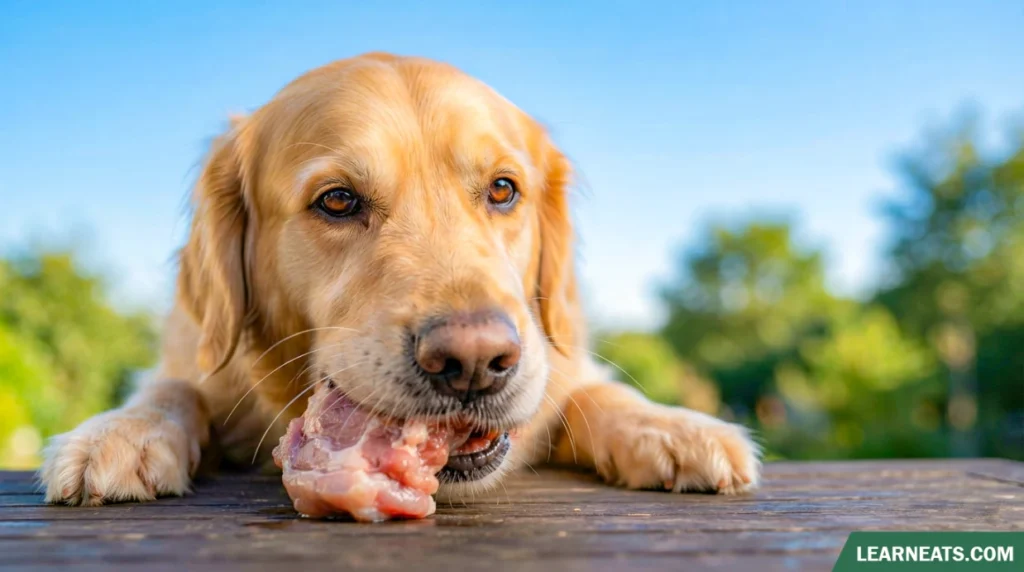
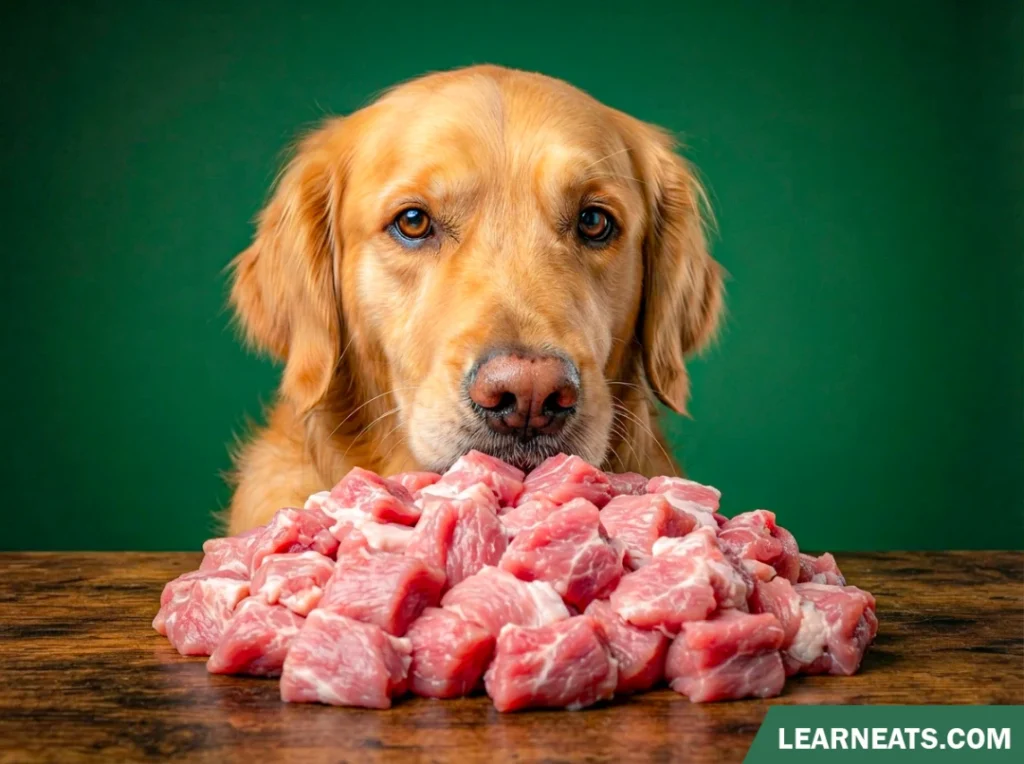
No, dogs should not eat raw pork. Raw or undercooked pork carries a real risk of Trichinella spiralis, a parasite that causes trichinosis, along with bacteria like Salmonella and Listeria. Cooked, unseasoned pork is a safer option, and even then, only in moderation.
Pork sits in an odd spot in the raw-feeding conversation. Chicken necks, raw beef, and even raw fish get debated constantly among dog owners, but pork carries a specific parasitic threat that most other common meats simply don’t. A dog who steals a piece of raw pork chop off the counter isn’t necessarily headed for an emergency vet visit, but the risk profile is different enough that it deserves its own explanation, not a footnote in a general “raw meat for dogs” article.
Why Raw Pork Is Different From Other Raw Meats
Most raw-fed dogs handle raw beef, raw chicken, or raw turkey without major incident, assuming the meat is fresh and handled properly. Pork changes the equation because of one specific organism: the Trichinella roundworm. This parasite forms cysts inside muscle tissue, and those cysts survive until the meat is either cooked to a safe internal temperature or, in some cases, commercially frozen using specific time-and-temperature protocols.
According to veterinary sources, pigs pick up Trichinella larvae by eating infected rodents, wildlife, or contaminated scraps, and the parasite then embeds itself in the pig’s muscle tissue. Any dog, or human, who eats that muscle raw can become infected in turn. Commercial, USDA-inspected pork in the United States carries a low risk today compared to decades past, but “low risk” is not the same as “no risk,” particularly with pork sourced from small farms, hunted wild boar, or unregulated markets.
The Trichinosis Risk Explained
Trichinosis (also called trichinellosis) doesn’t always look dramatic in dogs the way it can in humans. Many dogs infected with the parasite show mild or even unnoticeable symptoms, which is part of what makes the disease sneaky. When symptoms do appear, they typically show up within a few days to a couple of weeks and can include:
- Vomiting and diarrhea
- Loss of appetite
- Lethargy or weakness
- Muscle pain, stiffness, or swelling
- Low-grade fever
In heavier infections, larvae migrate out of the intestines and into muscle tissue, where they can remain encysted for years. The Merck Veterinary Manual notes that infections in dogs frequently go undiagnosed since most cases stay mild, but the manual is clear that thorough cooking is the most reliable way to eliminate the risk, since the larvae can survive inside muscle cysts for extended periods once ingested.
Puppies, senior dogs, and dogs with compromised immune systems face a higher likelihood of noticeable illness if infected, since their bodies have a harder time containing the parasite.
Can Dogs Eat Raw Pork Bones?
This is one of the most searched follow-up questions, and the answer has two separate layers: the parasite risk and the physical bone risk.
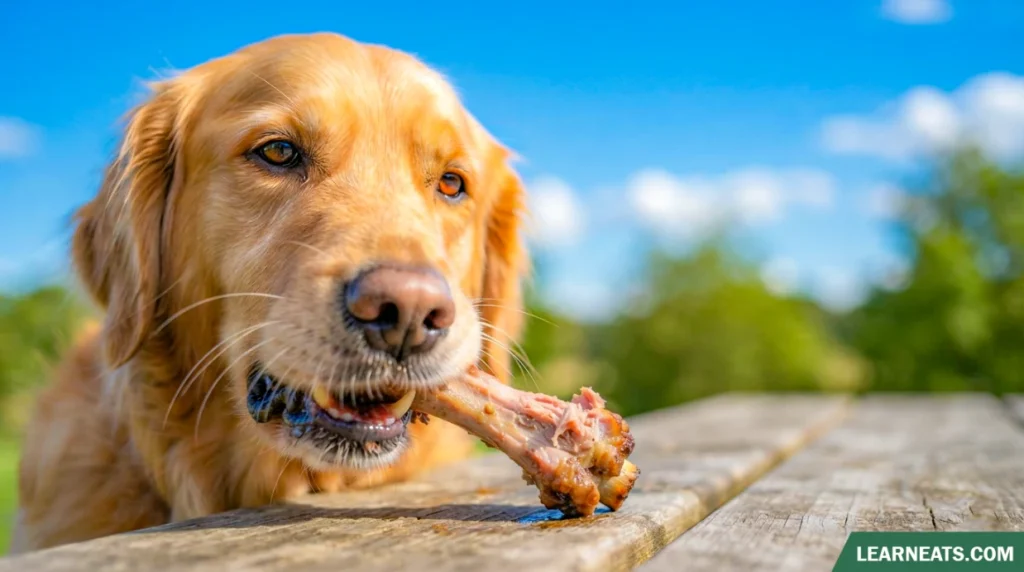
Parasite risk: Raw pork bones carry the same Trichinella concern as raw pork meat, since larvae live in muscle tissue attached to the bone, not just the cut of meat itself.
Physical risk: Raw bones are generally softer and less prone to splintering than cooked bones, which is a point in their favor. That said, raw pork bones can still crack into sharp fragments, get lodged in the esophagus, or cause an intestinal blockage, especially rib bones or smaller cuts that a dog can swallow whole. Most veterinarians recommend skipping pork bones entirely, raw or cooked, and reaching for a vet-approved chew instead.
Can Dogs Eat Raw Pork Chops or Pork Fat?
Raw pork chops carry the identical trichinosis concern as any other raw pork cut, and chops often come with a thick fat cap running along one edge. That fat matters for a second, unrelated reason: pork fat is dense and rich, and dogs digest fat far less efficiently than humans do. A large piece of fatty raw pork can trigger vomiting, diarrhea, or in more serious cases, pancreatitis, a painful and sometimes life-threatening inflammation of the pancreas.
Trimming visible fat and cooking the meat thoroughly reduces both risks at once. Raw, fatty pork chops stack two separate hazards on top of each other, which is why this particular cut shows up so often in “my dog got sick after eating X” stories from pet owners.
Raw Pork vs. Cooked Pork for Dogs: Safety Comparison
| Factor | Raw Pork | Cooked Pork (plain, no seasoning) |
|---|---|---|
| Trichinella parasite risk | Present, especially in untested/wild sources | Eliminated by cooking to safe internal temp |
| Bacterial risk (Salmonella, Listeria) | Elevated | Significantly reduced |
| Digestibility | Harder on sensitive stomachs | Easier to digest when lean |
| Fat content concern | High in fatty cuts, pancreatitis risk | Same fat risk unless trimmed |
| Bone safety | Softer but can still splinter/block | Brittle, high splinter risk — avoid |
| Recommended for regular feeding | Not recommended | Occasional, lean, unseasoned only |
| Safest preparation | Not applicable | Boiled or baked, no salt, garlic, onion, or spices |

My Dog Ate Raw Pork — What Should I Do Now?
A single bite of raw pork snatched off a plate is unlikely to cause serious harm, especially if the meat came from a reputable, USDA-inspected source. Panic isn’t necessary, but attentiveness is.
- Note the amount and source. A small taste from a grocery-store cut is a different situation than a large portion of unknown or wild-sourced pork.
- Watch for symptoms over the next 1–2 weeks. Vomiting, diarrhea, lethargy, fever, or muscle stiffness are the key warning signs of trichinosis, though gastrointestinal upset can also just mean a mild stomach reaction unrelated to parasites.
- Call the vet if symptoms appear, or if the dog ate a large quantity. Bloodwork can catch elevated white blood cell counts consistent with a parasitic infection, and a stool sample can confirm larvae presence.
- Skip inducing vomiting unless a veterinarian specifically instructs it, particularly if bones were involved, since vomiting can cause additional injury on the way back up.
Safer Ways to Feed Pork to Your Dog
Pork itself isn’t off-limits for dogs; the raw and heavily seasoned versions are the problem. Lean, thoroughly cooked pork, served plain, can be a reasonable occasional treat or protein addition to a dog’s diet. A few ground rules make this safer:
- Cook to a safe internal temperature, with no pink remaining.
- Trim excess fat and skip the skin.
- Never season with garlic, onion, excess salt, or spice blends.
- Remove all bones before serving.
- Introduce it in small amounts, especially the first time.
What About Commercial Raw Pork Dog Food?
Commercial raw pork dog food products differ from a raw chop pulled out of the fridge. Reputable raw pet food manufacturers typically use High Pressure Processing (HPP) or specific freezing protocols designed to reduce pathogen load, including Trichinella larvae. That doesn’t make raw commercial pork food risk-free, but it does shift the equation compared to feeding untreated, uninspected raw pork at home. Anyone considering a raw or pork-based commercial diet should look for products that explicitly state pathogen-reduction methods and should still run the choice by a veterinarian, particularly for puppies, senior dogs, or dogs with existing health conditions.
Bottom Line
Raw pork isn’t automatically a poison for dogs, but it’s also not a meat worth gambling on. The trichinosis risk is real, even if modern commercial pork has made it far less common than it once was, and the added dangers from bone fragments and high fat content stack the odds further against raw feeding. Cooked, lean, unseasoned pork gives dogs the protein benefit without the parasite roulette.
Did you know that? Can Dogs Eat Cooked Pork Bones Safely?
Frequently Asked Questions
Can dogs eat raw pork?
No. Raw pork carries a risk of trichinosis from the Trichinella spiralis parasite, along with bacteria like Salmonella. Cooked, lean, unseasoned pork is the safer alternative.
Is raw pork bad for dogs?
Raw pork isn’t guaranteed to make a dog sick, but it carries a documented parasite and bacterial risk that cooked pork doesn’t. Veterinarians generally advise against feeding it as a regular part of a dog’s diet.
Can dogs eat raw pork chops?
Raw pork chops carry both the trichinosis risk and a high fat content, which together increase the chance of digestive upset or pancreatitis. Cooking the chop and trimming the fat removes most of that risk.
Is raw pork safe for dogs?
Raw pork is not considered safe for dogs due to the Trichinella parasite and potential bacterial contamination. Thoroughly cooked, unseasoned pork is the recommended way to feed this meat.
My dog ate raw pork — should I be worried?
A small amount from a trusted, commercial source is unlikely to cause serious harm, but symptoms like vomiting, diarrhea, or muscle stiffness within the following two weeks warrant a call to the veterinarian.
What are the symptoms of trichinosis in dogs?
Common symptoms include vomiting, diarrhea, lethargy, low-grade fever, and muscle pain or stiffness as the parasite migrates into muscle tissue. Many infected dogs show only mild or no visible signs at all.
Can dogs eat raw pork meat in small amounts?
A single small bite is unlikely to cause long-term harm, especially from inspected, commercially sold pork. Regularly feeding raw pork meat, even in small amounts, keeps unnecessary parasite and bacterial exposure in the picture.
Is raw pork good for dogs in a raw food diet?
Raw pork isn’t typically recommended even within raw feeding circles, due to its unique trichinosis risk compared to raw beef or raw chicken. Owners who want pork in a raw diet should look specifically for commercial raw pork products treated for pathogen reduction.
How is trichinosis in dogs treated?
Veterinarians typically treat confirmed trichinosis with antiparasitic medication alongside supportive care for symptoms like vomiting or dehydration. Diagnosis usually involves bloodwork, a stool sample, and sometimes a muscle tissue sample in more severe cases.
Can puppies eat raw pork?
Puppies should not eat raw pork. Their immune systems are less developed, making them more vulnerable to noticeable illness from parasites or bacteria compared to healthy adult dogs.