
This article is for general informational purposes only and does not replace personalized advice from a licensed veterinarian.
Can Dogs Eat Turkey Gizzards?
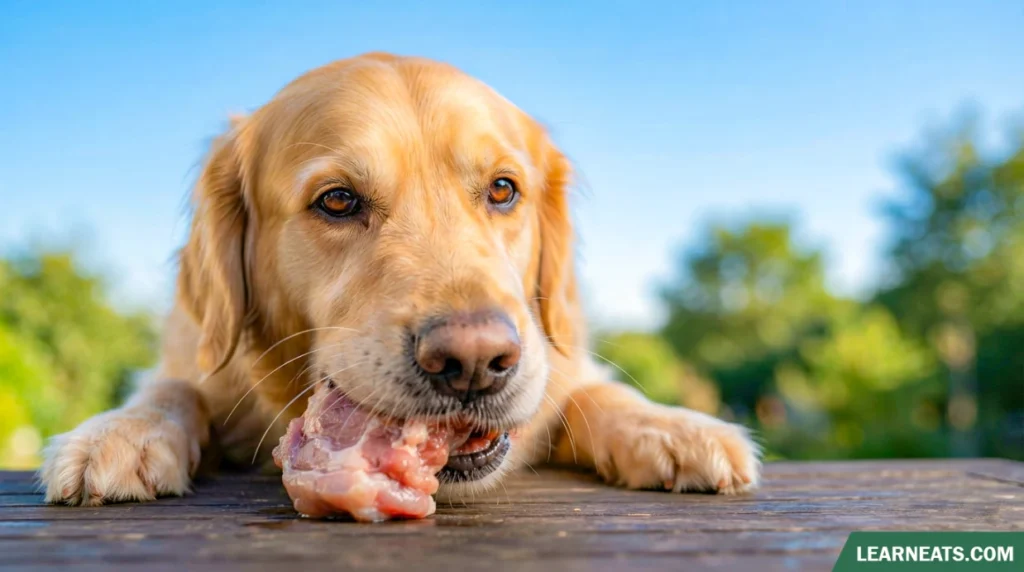
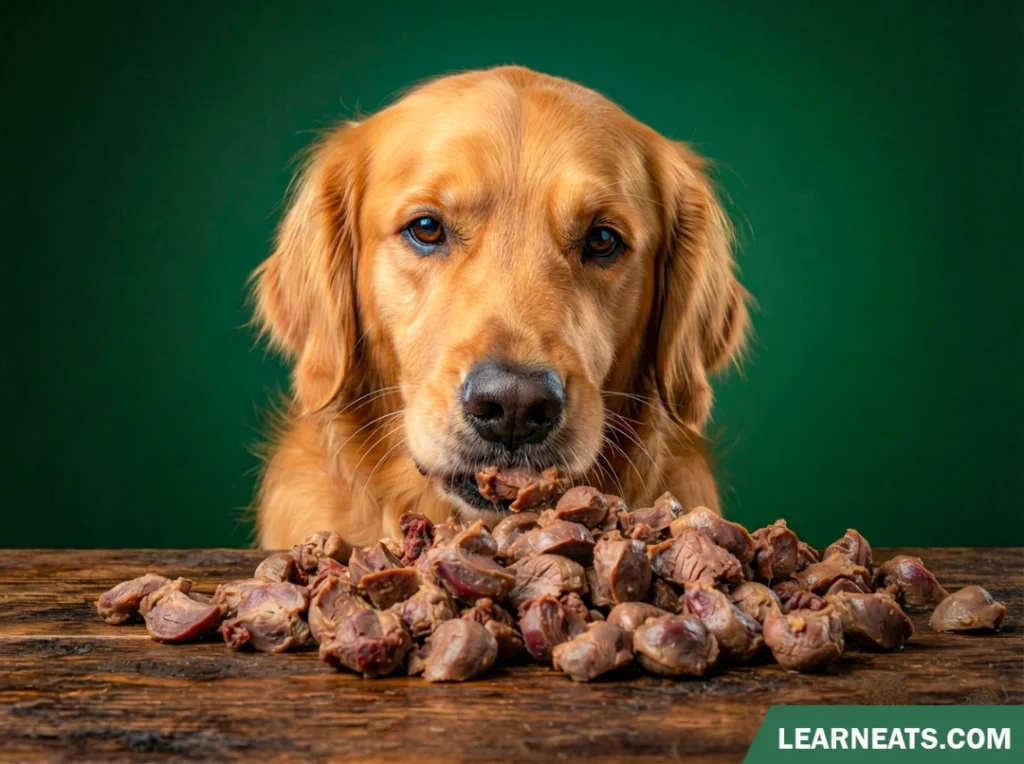
Yes, dogs can eat turkey gizzards, and in most cases they make a safe, lean, protein-rich treat. Turkey gizzards are the muscular part of a bird’s digestive tract, and once they’re properly cleaned and cooked, they offer a nutrient-dense snack that many dogs genuinely enjoy. The catch isn’t whether gizzards belong in a dog’s bowl—it’s how they get there.
Feed them raw without a plan, overdo the portion size, or skip the vet check for a dog with an existing health condition, and a harmless treat turns into a trip to the emergency clinic. This guide breaks down exactly what turkey gizzards are, what they offer nutritionally, how to prepare them safely, and which dogs should steer clear entirely.
What Exactly Is a Turkey Gizzard?
A turkey gizzard is a small, muscular organ that sits within the bird’s digestive tract. Its job is mechanical: it grinds down tough food, like seeds and grit, before it moves further into the digestive system. Because it’s built almost entirely of dense muscle tissue, a gizzard behaves nutritionally more like meat than like an internal organ such as liver or kidney.
Butchers and home cooks often overlook gizzards, since most people don’t eat them. That’s actually good news for dog owners. Gizzards tend to be inexpensive, widely available around holidays such as Thanksgiving, and easy to source fresh, frozen, or dehydrated from pet stores and specialty retailers.
Is Turkey Gizzard Safe for Dogs? What the Research Says
According to a detailed veterinary guide from Kip & Twiggy’s, written by veterinarian Dr. Emma Chandley, turkey gizzards are considered a healthy lean treat option for dogs, offering a nutrient-dense snack that’s low in fat and rich in protein, provided they’re introduced carefully and portioned according to a dog’s daily calorie needs. That same source flags the handful of genuine risks worth knowing before feeding gizzards for the first time: bacterial contamination, choking, digestive irritation, and, rarely, gastrointestinal obstruction.
None of those risks are unique to turkey gizzards. They apply to nearly any raw or chewy protein treat. What matters is preparation and portion control, not avoidance altogether.
Why Gizzards Work Well as a Dog Treat
- Lean protein source. Gizzard meat is built from muscle, so it delivers high-quality protein without the fat content found in skin, dark meat, or fried giblets.
- Single-ingredient and hypoallergenic-friendly. A plain gizzard contains nothing but turkey muscle—no fillers, grains, or additives—making it a reasonable option for dogs on limited-ingredient diets, as long as they aren’t allergic to poultry.
- Natural chew value. The tough, fibrous texture encourages slow, deliberate chewing, which can support jaw exercise and modest plaque control.
- Budget-friendly. Because gizzards aren’t a popular cut for human consumption, they’re typically cheaper than muscle meat cuts or manufactured chews.
Nutritional Snapshot: Turkey Gizzards for Dogs
The table below summarizes the nutritional composition and safety considerations dog owners should weigh before adding turkey gizzards to a feeding routine.
| Category | Details | Dog-Safety Notes |
|---|---|---|
| Crude Protein | Roughly 75% of dry matter | Excellent lean protein source; limit for dogs with liver or kidney disease |
| Crude Fat | Roughly 10% | Low-fat compared to skin or dark meat; still monitor for pancreatitis-prone dogs |
| Calories | Approximately 70 kcal per fresh gizzard | Can be a large share of daily calories for small or sedentary breeds |
| Key Vitamins | B2, B3 (niacin), B12, Vitamin C | Support energy metabolism, nervous system, and immune function |
| Key Minerals | Zinc, iron, selenium, phosphorus, magnesium, copper | Support immune health, blood oxygen transport, and thyroid function |
| Raw Feeding Risk | Campylobacter, Salmonella, E. coli, Listeria | Low disease risk to the dog, higher risk to immunocompromised humans in the household |
| Choking/Obstruction Risk | Higher with dried, whole gizzards | Cut into age- and size-appropriate pieces; always supervise |
| Recommended Puppy Age | Generally from 16 weeks | Chop into smaller pieces; check individual product guidance |
How to Prepare Turkey Gizzards Safely
Preparation is where most of the risk in this topic actually lives. Follow these steps to keep gizzards on the safe side of the ledger.
- Rinse thoroughly. Remove any grit, sand, or debris that may still be inside the gizzard.
- Cook fully if not committed to a raw diet. Boiling or gently poaching for 10–15 minutes kills common bacteria like Salmonella and Campylobacter without adding fat.
- Skip the seasoning entirely. No salt, garlic, onion, butter, or oil. These ingredients range from unhealthy to outright toxic for dogs.
- Cut to size. Whole gizzards, especially dehydrated ones, pose a higher choking and blockage risk. Slice them into pieces sized appropriately for the dog’s mouth.
- Introduce gradually. Start with a small piece and watch for vomiting, diarrhea, or excessive gas over the following 24 hours before offering more.
- Store properly. Refrigerate raw gizzards for no more than two days, or freeze for longer storage; cooked gizzards keep in the fridge for about a week.
Raw vs. Cooked vs. Dehydrated: Which Is Best?
Raw feeding advocates can include turkey gizzards in a raw diet, but the tradeoff is a real risk of bacterial contamination that mainly threatens vulnerable humans in the household rather than the dog itself. Cooking removes that risk almost entirely. Dehydrated gizzard treats are shelf-stable and convenient, but they carry a slightly higher choking and obstruction risk than fresh, cooked pieces because the texture becomes tougher and denser.
For most households, lightly boiled, unseasoned, chopped gizzard strikes the best balance of safety, digestibility, and convenience.

Portion Size: How Many Turkey Gizzards Can a Dog Eat?
There’s no universal number, because calorie needs swing widely by breed, size, age, and activity level. As a general rule, treats—including organ meats like gizzard—should make up no more than 10% of a dog’s total daily calorie intake, with the remaining 90% coming from a complete and balanced dog food.
Given that a single fresh gizzard runs around 70 calories, that portion can represent a meaningful chunk of a small or low-activity dog’s daily allowance, while barely registering for a large, active breed. When introducing gizzards for the first time, offer a small piece rather than a whole one, and adjust future servings based on how the dog’s digestive system responds.
Risks and Side Effects to Watch For
Turkey gizzards are generally well tolerated, but a handful of specific risks deserve attention.
- Choking and gastrointestinal obstruction. Dogs who gulp food quickly, or who are given a whole dried gizzard that’s too large for their size, face a real, if uncommon, risk of a blockage requiring emergency veterinary care.
- Bacterial contamination. Raw gizzards can harbor Salmonella, Campylobacter, E. coli, and Listeria. Dogs are relatively resistant to illness from these pathogens, but they can shed bacteria that puts immunocompromised family members, infants, or elderly relatives at risk.
- Digestive upset. Some dogs, particularly those with sensitive stomachs, may experience vomiting or diarrhea, especially if a new food is introduced too quickly or in too large a quantity.
- Vitamin and purine load. Organ meats carry higher purine content than muscle meat, which can be a concern for dogs prone to gout-like conditions or certain kidney issues. Excessive organ meat feeding over time can also contribute to nutrient imbalances.
- Allergic reaction. Poultry allergies exist in dogs, though they’re less common than beef or dairy allergies. A dog with a known turkey or chicken sensitivity should avoid gizzards.
Which Dogs Should Avoid Turkey Gizzards
Certain dogs face a higher risk profile and should only be given turkey gizzards under direct veterinary guidance, or not at all:
- Dogs with a confirmed poultry allergy
- Overweight or obese dogs on a calorie-restricted plan
- Dogs with diabetes or a history of pancreatitis
- Dogs with liver or kidney disease, due to the high protein and purine content
- Dogs that gulp food without chewing, raising obstruction risk
- Immunosuppressed dogs, such as those undergoing chemotherapy
- Households with infants, elderly members, or immunocompromised individuals, where raw handling risk is a bigger concern than the risk to the dog itself
Turkey Gizzards vs. Other Turkey Giblets
“Giblets” is the umbrella term covering the gizzard, heart, liver, and neck. They aren’t nutritionally interchangeable, and mixing them up matters for portion planning.
- Gizzard: Lean muscle, high protein, moderate fat—closest to a standard meat treat.
- Heart: Also lean and muscular, rich in taurine and CoQ10, beneficial for cardiovascular support.
- Liver: Extremely nutrient-dense, especially in vitamin A. Feeding liver too often risks hypervitaminosis A, so it needs to be limited far more strictly than gizzard.
- Neck: Contains small bones. Only appropriate raw and under close supervision; never serve a cooked turkey neck, since cooked bones splinter.
Gizzard is generally the easiest giblet to feed regularly in moderation, precisely because it lacks the vitamin A concentration of liver and the bone hazard of the neck.
Reference: This article draws on veterinary guidance from Kip & Twiggy’s guide to turkey gizzards for dogs, written and reviewed by veterinarian Dr. Emma Chandley (BVetMed MRCVS).
Did you know that? Can Dogs Eat Turkey Ham?
Frequently Asked Questions
Can dogs eat turkey gizzards raw?
Yes, dogs can eat raw turkey gizzards, and they’re a normal component of many raw feeding diets. The main concern is bacterial contamination from pathogens like Salmonella or Campylobacter, which pose more risk to vulnerable humans handling the food than to the dog itself.
Can dogs eat turkey gizzards every day?
Daily feeding isn’t recommended as a default. Gizzards should count toward the 10% of daily calories reserved for treats, and daily organ meat feeding can create nutrient imbalances over time, so rotating with other treats is the safer approach.
Can puppies eat turkey gizzards?
Most manufacturers and vets suggest waiting until around 16 weeks of age, and even then the gizzard should be chopped into small, manageable pieces. A puppy’s still-developing teeth and smaller airway make whole or tough gizzards a higher choking risk.
Are turkey gizzards better than chicken gizzards for dogs?
Nutritionally, the two are very similar—both are lean, high-protein organ meats. Turkey gizzards tend to be larger, which can work better for bigger dogs, while chicken gizzards suit smaller breeds or dogs with a turkey allergy.
Can dogs eat turkey gizzards cooked in gravy or seasoning?
No. Gravy, butter, salt, garlic, and onion are all problematic for dogs, ranging from digestive upset to genuine toxicity. Gizzards should always be served plain, whether boiled, steamed, or dehydrated without additives.
How many turkey gizzards can a dog eat per week?
There’s no fixed weekly number, since it depends on the dog’s size, activity level, and total calorie budget. A reasonable starting point is one to two small servings per week for an average-sized adult dog, adjusted based on the dog’s overall diet and vet guidance.
Can turkey gizzards cause a blockage in dogs?
It’s possible, though uncommon. The risk rises with dried, whole gizzards fed to dogs that swallow food quickly. Cutting gizzards into appropriately sized pieces and supervising chew time significantly reduces this risk.
Do turkey gizzards cause diarrhea in dogs?
Occasionally, particularly if a dog has a sensitive stomach or the gizzard is introduced too quickly in a large amount. Starting with a small piece and monitoring the dog’s response over 24 hours helps catch intolerance early.
Are turkey gizzards good for a dog’s teeth?
The tough, chewy texture can help mechanically scrape some plaque and stimulate saliva production, which supports oral hygiene. That said, no current research confirms a measurable dental benefit, so gizzards should complement, not replace, regular brushing and dental checkups.
Can dogs with pancreatitis eat turkey gizzards?
Gizzards are lower in fat than many treats, but any dog with a history of pancreatitis should only receive new proteins with veterinary approval, since even modest fat content can trigger a flare-up in sensitive dogs.
Are dried turkey gizzard treats safe for dogs?
Dried and dehydrated gizzard treats are generally safe and shelf-stable, but they’re tougher and denser than fresh gizzards, which raises the choking and obstruction risk slightly. Size the treat to the dog and supervise chewing.
What’s the difference between turkey gizzards and turkey giblets?
Giblets is the broader category that includes the gizzard, heart, liver, and neck. The gizzard itself is just one of those parts—a muscular digestive organ that behaves nutritionally more like lean meat than like liver or other true organ meats.