This article is for general informational purposes only and does not replace personalized advice from a licensed veterinarian.
Yes, dogs can eat turkey giblets, but only when they are fully cooked, unseasoned, and served in small portions. Giblets — the liver, heart, and gizzard tucked inside a whole turkey — are packed with protein, iron, and B vitamins that most dogs digest well. Raw giblets, however, carry a real risk of bacterial contamination, so the way they’re prepared matters just as much as whether they’re offered at all.
Every Thanksgiving and Christmas, that small paper bag hidden inside the turkey cavity becomes a source of confusion for pet owners. Some dogs snatch it straight off the counter before anyone notices. Others get offered a “taste” as a holiday treat. Either way, knowing exactly what’s safe — and what isn’t — can spare a dog owner an emergency vet visit during the busiest week of the year.
What Exactly Are Turkey Giblets?
Giblets is simply the culinary term for a turkey’s edible internal organs, which are usually packaged together in a small bag inside the bird before cooking. A standard giblet pack typically contains:
- Liver – soft, iron-dense, and the richest source of vitamin A among the group
- Heart – a lean, muscular organ high in taurine and protein
- Gizzard – a tough, muscular stomach organ that’s naturally low in fat
- Neck – bony and often included, though it isn’t technically an organ
Each piece has a different texture, fat content, and nutrient profile, which matters when deciding how much of it belongs in a dog’s bowl.
Can Dogs Eat Turkey Giblets? The Short Answer
According to veterinary nutrition guidance from PetMD, turkey is considered a healthy, occasional treat for dogs when it’s prepared safely and served in small portions. That same logic extends to giblets: cooked, plain organ meat is a nutrient-dense addition to a dog’s diet, not a hazard, provided a few ground rules are followed.
The organs themselves aren’t toxic to dogs. Problems arise from three things: undercooking, over-seasoning, and overfeeding. A dog that eats a small piece of boiled turkey liver is in a very different situation than one that raids the trash and swallows an entire raw giblet bag, wrapping included.
Can Dogs Eat Raw Turkey Giblets?
This is where caution matters most. Raw turkey giblets can harbor Salmonella and Campylobacter, two bacteria strains that cause vomiting, diarrhea, and fever in both dogs and the humans handling their food. Most healthy adult dogs have fairly acidic stomachs and short digestive tracts, which offer some natural resistance to these pathogens — but “some resistance” isn’t the same as “no risk.”
Puppies, senior dogs, and dogs with existing digestive or immune conditions face a higher chance of getting sick from raw giblets. Owners who follow a raw or BARF-style diet sometimes feed raw organ meat intentionally, but this is typically done under veterinary or canine nutritionist guidance, using meat sourced and handled specifically for raw feeding — not leftover giblets pulled from a grocery-store turkey.
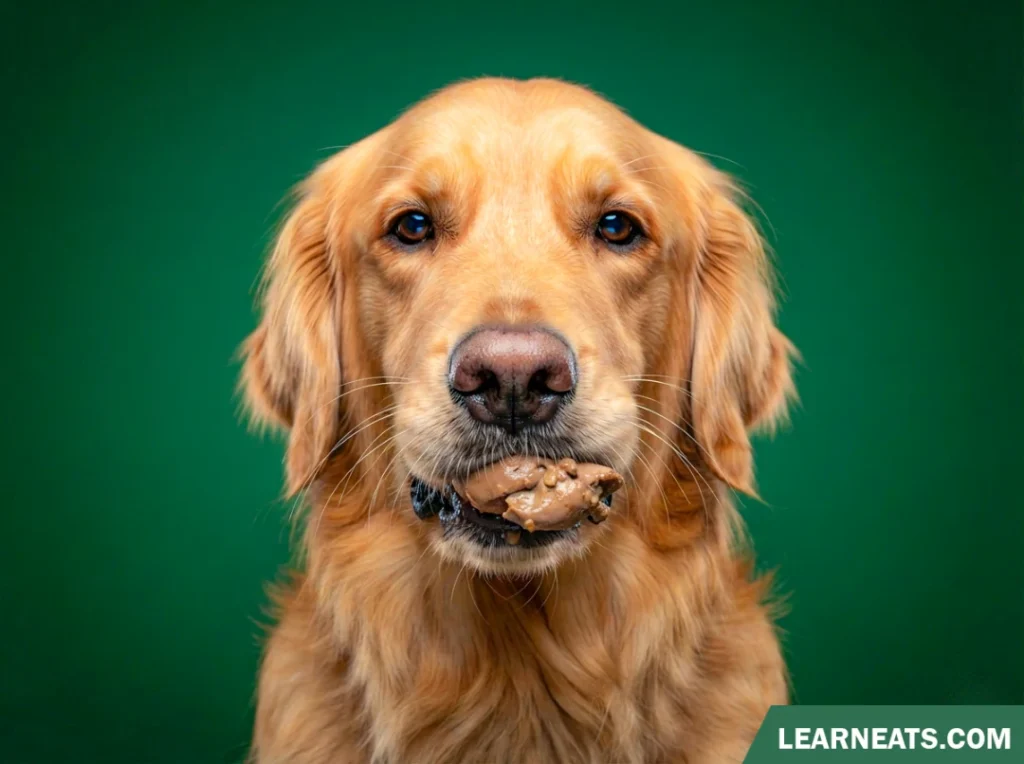
Can dogs eat turkey giblets raw without any preparation at all? Technically some dogs will eat raw giblets and never show a symptom. That doesn’t make it a safe general recommendation. Cooking the giblets thoroughly is the simplest way to eliminate the bacterial risk almost entirely.
Breaking Down Each Part of the Giblets
Turkey Liver
Liver is nutrient-rich but also the most concentrated source of vitamin A in the giblet pack. A few small, cooked pieces make a great occasional topper. Feeding liver daily or in large amounts, though, can push a dog toward vitamin A toxicity, a condition also called hypervitaminosis A, which affects bone health and joint mobility over time.
Turkey Heart
Heart is lean, muscular, and rich in taurine — an amino acid tied to healthy heart function in dogs. It’s generally one of the easiest giblet pieces for a dog’s stomach to handle and carries a lower fat content than liver.
Turkey Gizzard
The gizzard is a tough, low-fat muscle that many dogs enjoy for its chewy texture. It’s a solid source of protein and, when sliced small, poses little digestive difficulty for most healthy dogs.
Turkey Neck
The neck is the outlier in the bag. It isn’t organ meat — it’s bone, cartilage, and a modest amount of meat. Cooked turkey neck bones should never be given to a dog. Cooking makes bones brittle, and brittle bone fragments splinter easily, creating a choking hazard or risking a puncture in the throat, stomach, or intestines. A raw turkey neck is a different conversation entirely and carries its own bacterial and choking considerations, so it deserves separate research before it lands in a dog’s bowl.
Nutritional Benefits of Turkey Giblets for Dogs
When prepared correctly, giblets bring real nutritional value to the table:
- High-quality protein that supports muscle maintenance and repair
- Iron, which supports healthy red blood cell production
- Vitamin B12, important for nerve function and metabolism
- Zinc and selenium, both of which support immune health
- Taurine (especially from the heart), which plays a role in cardiac function
Organ meat is often called “nature’s multivitamin” in canine nutrition circles for good reason — it’s more nutrient-dense, ounce for ounce, than muscle meat like turkey breast.
Health Risks and Safety Concerns
Despite the benefits, several risks deserve attention before giblets become a regular treat.
Bacterial contamination. Raw or undercooked giblets can carry salmonella, listeria, or campylobacter, all of which cause gastrointestinal illness.
Choking and internal injury. This applies mainly to the neck, where bone fragments are the concern rather than the soft organ tissue.
Vitamin A toxicity. Feeding excessive amounts of liver over time can lead to hypervitaminosis A, a condition linked to bone spurs, joint stiffness, and reduced mobility in dogs.
Pancreatitis risk. Organ meat, particularly liver, carries more fat than lean muscle meat. Dogs prone to pancreatitis, obesity, or existing digestive conditions may react poorly to a sudden, fatty treat, especially around the holidays when table scraps pile up.
Seasoning toxicity. Giblets simmered with onion, garlic, butter, or heavy salt — common in holiday gravy prep — introduce ingredients that are genuinely toxic to dogs, separate from any risk tied to the giblets themselves.
How to Safely Prepare Turkey Giblets for a Dog
- Rinse the giblets under cold water to remove any surface residue.
- Cook them fully by boiling, baking, or steaming — never frying, and never with butter or oil.
- Skip all seasoning. No salt, garlic, onion, or gravy mixes.
- Discard the neck bones or use them only to make a plain, unsalted bone broth.
- Cut into small, bite-sized pieces appropriate for the dog’s size to reduce choking risk.
- Cool completely before serving, since hot organ meat can burn a dog’s mouth or throat.
- Introduce gradually, starting with a small piece to watch for any digestive reaction.
How Many Turkey Giblets Can a Dog Eat?
Veterinary nutrition guidelines generally recommend treats make up no more than 10% of a dog’s daily caloric intake, and organ meat specifically should stay closer to 5–10% of total food volume due to its richness. A simple rule many veterinarians use: roughly one tablespoon of cooked organ meat per cup of regular food is a reasonable ceiling for an average adult dog.
Can a dog eat turkey giblets every day? Not as a steady diet staple. Giblets work best as an occasional topper or holiday treat rather than a daily addition, since the vitamin A and fat content can accumulate to unhealthy levels with regular feeding.

Turkey Giblets for Dogs: Safety & Nutrition Comparison
| Giblet Type | Safe Cooked? | Safe Raw? | Key Nutrients | Main Risk | Serving Guidance |
|---|---|---|---|---|---|
| Liver | Yes | Caution advised | Iron, Vitamin A, B12 | Vitamin A toxicity if overfed | 1–2 small pieces, occasional only |
| Heart | Yes | Caution advised | Taurine, Protein | Low risk when portioned | Small cubes, 2–3x weekly max |
| Gizzard | Yes | Caution advised | Protein, Zinc | Low risk, tough texture | Sliced thin, moderate portions |
| Neck (meat only) | Yes, deboned | Higher bacterial risk | Protein, Collagen | Bone fragments if cooked bone included | Meat only, bones removed |
| Neck (bone) | No — never | Consult a vet first | N/A | Choking, intestinal puncture | Avoid or use for broth only |
Signs of Trouble: When to Call the Vet
Contact a veterinarian promptly if a dog shows any of the following after eating turkey giblets:
- Repeated vomiting or diarrhea lasting more than a few hours
- Lethargy, weakness, or refusal to eat
- A painful, bloated, or tender abdomen
- Difficulty swallowing, gagging, or pawing at the mouth
- Blood in stool or vomit
- Signs of an allergic reaction, such as facial swelling or hives
A dog that swallowed an entire raw giblet bag, plastic wrapping included, needs veterinary attention even without visible symptoms, since packaging material can cause an internal blockage regardless of what’s inside it.
Final Takeaway
Turkey giblets aren’t something to fear, and they aren’t a free-for-all either. Cooked, plain, and portioned sensibly, they offer real nutritional value most dogs enjoy. Raw, seasoned, or fed in large quantities, that same treat turns into a genuine health risk. The difference between a happy holiday snack and an emergency vet trip usually comes down to preparation, portion size, and a few minutes of care in the kitchen.
Did you know that? Can Dogs Eat Turkey Bacon?
Frequently Asked Questions
Can dogs eat turkey giblets?
Yes, dogs can eat turkey giblets as long as they’re fully cooked, unseasoned, and served in small, appropriate portions. Raw or seasoned giblets carry more risk and should be avoided.
Can dogs eat raw turkey giblets?
Raw turkey giblets are not recommended for most dogs because they can carry salmonella and other harmful bacteria. Cooking the giblets thoroughly removes most of this risk and makes them far safer to feed.
Can dogs eat turkey giblets raw safely at all?
Some dogs following a vet-supervised raw diet can tolerate raw organ meat, but this requires proper sourcing and handling. Giblets from a standard grocery-store turkey are not prepared for raw feeding and should be cooked first.
Can a dog eat turkey giblets every holiday season?
Yes, occasional holiday servings of cooked, plain giblets are generally fine for healthy dogs. They shouldn’t become a daily habit, since regular feeding can lead to excess vitamin A and fat intake over time.
Can a dog eat turkey giblets every holiday season?
Yes, occasional holiday servings of cooked, plain giblets are generally fine for healthy dogs. They shouldn’t become a daily habit, since regular feeding can lead to excess vitamin A and fat intake over time.
Can dogs eat the turkey giblets straight from the bag?
No. Giblets typically come in a paper or plastic bag inside the turkey cavity, and that packaging should always be removed before cooking or serving. Swallowed packaging can cause a dangerous intestinal blockage.
Can puppies eat turkey giblets?
Puppies can eat small amounts of fully cooked giblets, but their digestive systems are more sensitive than adult dogs. Start with a very small portion and watch closely for any stomach upset.
Is turkey liver safe for dogs?
Cooked turkey liver is safe in small, occasional amounts and offers a strong dose of iron and B vitamins. Frequent or large servings can lead to vitamin A toxicity, so moderation matters more with liver than with other giblets.
Can dogs eat turkey neck?
Cooked turkey neck bones should never be given to dogs, since cooking makes the bones brittle and prone to splintering. Raw necks are sometimes fed under veterinary guidance, but the bone content still carries choking and injury risks.
What happens if a dog eats raw turkey giblets by accident?
Most healthy adult dogs that eat a small amount of raw giblets show no symptoms at all. Watch for vomiting, diarrhea, or lethargy over the next 24–48 hours, and contact a veterinarian if any of these appear.
Are turkey giblets high in fat?
Giblets vary by organ, with gizzard and heart being relatively lean, while liver carries more fat than muscle meat like turkey breast. Dogs prone to pancreatitis or obesity should be given smaller, less frequent portions.
Can dogs with sensitive stomachs eat turkey giblets?
Dogs with a history of digestive issues should be introduced to giblets slowly, starting with a very small piece of one organ type at a time. If any stomach upset appears, it’s best to stop and consult a veterinarian before trying again.