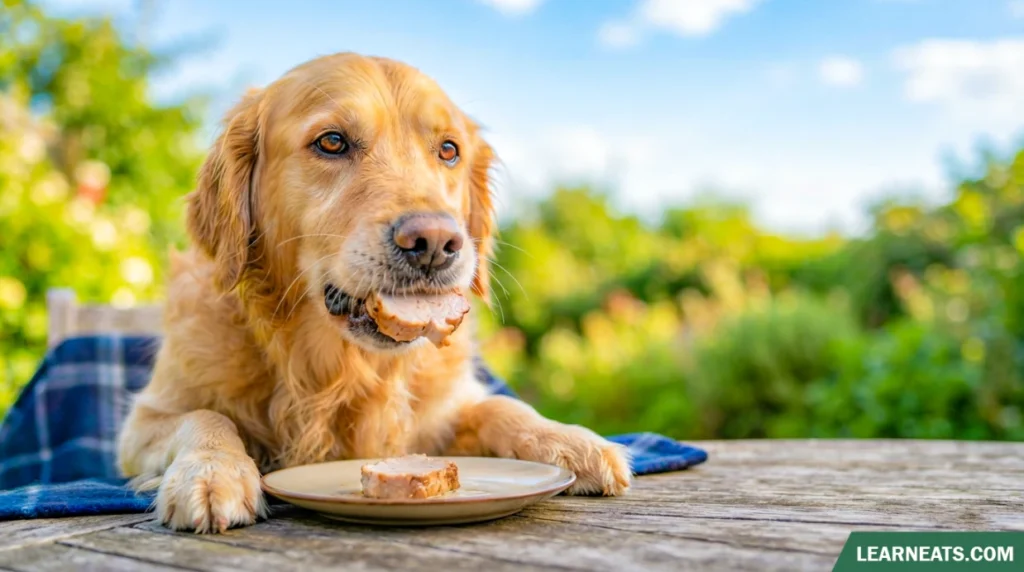

This article is written for general educational purposes and does not replace personalized veterinary advice; always check with your veterinarian before adding a new food to your dog’s diet.
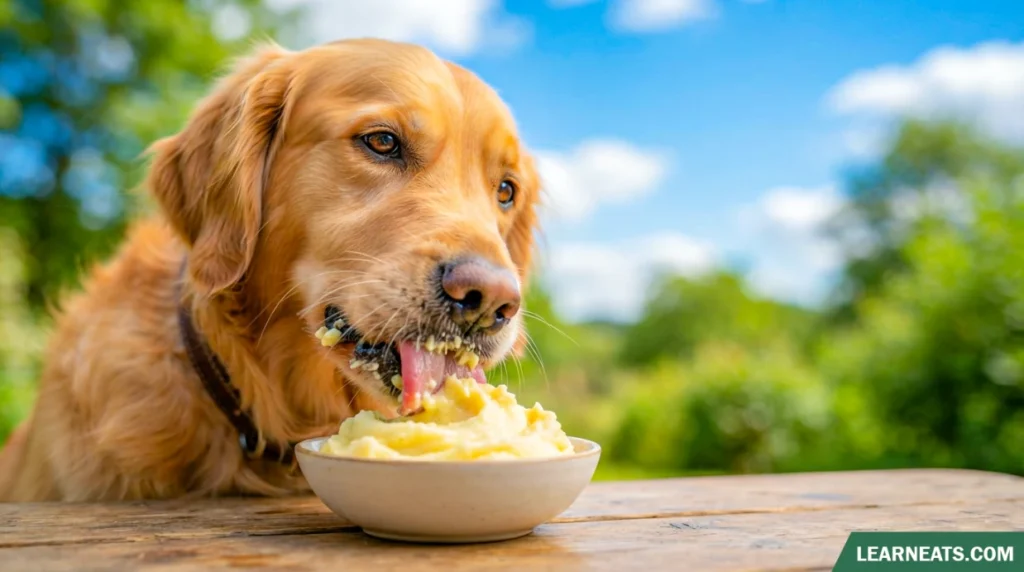
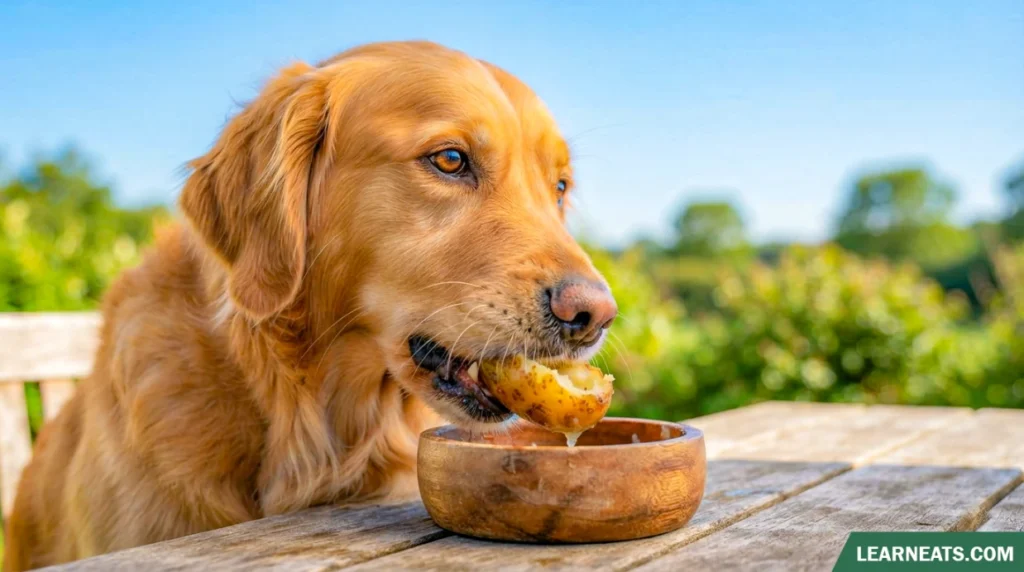
Yes, dogs can eat baked potatoes, but only when the potato is plain, fully cooked, peeled, and served in small portions. A baked potato without butter, salt, sour cream, or seasoning is generally safe for a healthy adult dog as an occasional snack. The moment that potato is raw, green, loaded with toppings, or served daily, it stops being a treat and starts being a risk.
Baked potatoes sit in a strange spot in the canine diet conversation. They’re not on the official “toxic foods” list next to chocolate or grapes, yet they’re not exactly a health food either. The truth lives in the preparation, the portion, and your dog’s individual health profile. Below is what actually matters before that next spud lands in the dog bowl.
Is a Baked Potato Good or Bad for Dogs? The Quick Breakdown
A plain baked potato isn’t inherently dangerous. It’s a starchy vegetable, and once it’s cooked through, most of the compounds that make raw potatoes risky have broken down significantly. According to veterinary nutrition experts, a peeled and thoroughly cooked white potato can be worked into a dog’s diet occasionally, though it shouldn’t become a regular menu item.
The concern isn’t really “potato” as a category — it’s what a potato can contain and how it’s usually served at a human dinner table:
- Raw or undercooked potato — hard to digest, higher in a toxic compound called solanine
- Green-tinged or sprouted potato — solanine spikes sharply in these areas
- The skin — contains oxalates and holds the highest concentration of solanine
- Butter, salt, sour cream, cheese, bacon bits — none of these belong in a dog bowl
- Portion size — even a “safe” potato is high in carbohydrates
Strip away the toppings, cook it fully, remove the skin, and offer a small piece — that’s the version of a baked potato a dog can actually handle well.
Why Raw and Green Potatoes Are the Real Danger
Potatoes belong to the nightshade family, the same plant group as tomatoes and eggplant. Nightshades naturally produce a compound called solanine, a built-in defense mechanism the plant uses against insects and disease. In dogs, solanine can interfere with the nervous system and irritate the digestive tract when consumed in large enough amounts.
Cooking is what changes the equation. Heat breaks down the majority of solanine in a potato’s flesh, which is exactly why a baked, boiled, or roasted potato is treated so differently from a raw one in veterinary guidance. Baking a potato until it’s soft all the way through is one of the more effective ways to neutralize this risk, alongside peeling away the skin, where solanine concentrations run highest.
Veterinarians consulted by the American Kennel Club note that pet owners preparing homemade meals with white potatoes should confirm the potato isn’t showing any green coloring, since that discoloration signals elevated toxin levels that can be dangerous for a pet. You can review the full expert breakdown in the American Kennel Club’s guide to feeding potatoes to dogs.

Can Dogs Eat Baked Potato Skins?
This is one of the most searched follow-up questions, and the honest answer is: technically yes, but it’s not worth the risk for most owners.
Potato skins carry a heavier concentration of two compounds:
- Solanine — already elevated in skins compared to the flesh, and dramatically higher if the skin has any green tint
- Oxalates — naturally occurring compounds that, in excess, have been linked to kidney stress and urinary crystal formation in dogs
A medium baked potato with the skin left on can carry meaningfully more oxalates than the same potato peeled. One or two small bites of thoroughly cooked, plain, unseasoned skin likely won’t cause a healthy dog any harm. But there’s no upside to feeding skins regularly, and dogs with any history of kidney issues should avoid them altogether. When in doubt, peel it before serving.
How to Prepare a Baked Potato Safely for a Dog
Preparation is where most of the risk gets eliminated. Follow this sequence:
- Wash the potato thoroughly before cooking to remove dirt and surface residue.
- Inspect for green spots or sprouting eyes. Discard the potato entirely if either is present — cutting around a green patch doesn’t fully remove the risk.
- Bake until completely soft. A fork should slide in with no resistance. Undercooked potato is dense, starchy, and harder to digest.
- Peel off the skin before serving, especially for small dogs, senior dogs, or dogs with kidney concerns.
- Skip every topping. No butter, no salt, no sour cream, no cheese, no bacon, no chives, and absolutely no garlic or onion powder, both of which are genuinely toxic to dogs.
- Mash or cut into small, manageable pieces to reduce any choking risk, particularly for small breeds.
- Let it cool to a safe temperature before handing it over.
A plain, cooled, peeled, mashed baked potato is about as low-risk as this food gets.
Nutritional and Safety Comparison Table
| Category | Plain Baked Potato (Peeled) | Baked Potato with Skin | Raw Potato | Loaded Baked Potato (Butter/Salt/Cheese) |
|---|---|---|---|---|
| Safety Level | Safe in small amounts | Use caution, small amounts only | Unsafe — avoid entirely | Unsafe — avoid entirely |
| Solanine Risk | Low (cooking breaks it down) | Moderate (higher near skin) | High | Low, but toppings add other risks |
| Oxalate Content | Low | Moderate to high | High | Variable |
| Calories (approx., 100g) | ~90 kcal | ~95–100 kcal | Not recommended | 150+ kcal depending on toppings |
| Recommended Serving | 1–2 small cubes, occasional treat | 1 small bite, rare | None | None |
| Main Concern | Carbohydrate/calorie load | Oxalates, digestibility | Solanine toxicity | Sodium, fat, toxic seasonings |
| Best For | Healthy adult dogs, bland-diet situations | Generally avoid, low-risk dogs only | No dog | No dog |
What About Butter, Sour Cream, or Other Toppings?
None of the classic baked-potato toppings are appropriate for a dog, even in tiny amounts:
- Butter and sour cream — high in fat, can trigger digestive upset or contribute to pancreatitis risk with repeated exposure
- Salt — excessive sodium can lead to dehydration and, in larger quantities, sodium ion poisoning
- Cheese — many dogs are lactose intolerant, and the added fat compounds the problem
- Bacon bits — high sodium, high fat, and often seasoned with onion or garlic
- Chives, garlic, onion, or any allium-family seasoning — genuinely toxic to dogs and capable of damaging red blood cells
If a dog is getting a piece of baked potato, it should look nothing like the version sitting on the human plate.

How Much Baked Potato Can a Dog Safely Eat?
Portion size depends heavily on the dog’s size, activity level, and any existing health conditions, but a general guideline follows the standard treat rule most veterinary nutritionists recommend: treats, including potato, should make up no more than 10% of a dog’s total daily calories.
Rough starting points:
- Small dogs (under 20 lbs): A single small cube, once in a while
- Medium dogs (20–50 lbs): A few small cubes as an occasional addition
- Large dogs (50+ lbs): A small portion, roughly a few tablespoons’ worth
Potato should never replace a balanced meal — it’s a supplemental bite, not a food group.
Dogs Who Should Avoid Baked Potatoes Entirely
Some dogs need to skip potatoes altogether, regardless of how well the potato is prepared:
- Diabetic dogs — potatoes are high on the glycemic index and can spike blood sugar
- Overweight or obese dogs — the extra carbohydrates and calories work against weight management goals
- Dogs with kidney disease or a history of kidney stones — oxalate content becomes a bigger concern
- Dogs with known sensitivities to nightshade vegetables
A quick check-in with a veterinarian is worthwhile for any dog managing one of these conditions before potato becomes part of the routine.
Signs of Potato-Related Trouble: When to Call the Vet
Watch for these symptoms after a dog eats potato, particularly if the potato was raw, green, or eaten in a large quantity:
- Vomiting or diarrhea
- Lethargy or unusual weakness
- Loss of appetite
- Excessive drooling
- Abdominal discomfort or a bloated appearance
- Confusion, tremors, or dizziness in more severe cases
Mild symptoms after a small amount of properly cooked, plain potato are uncommon. But if a dog gets into a raw potato, a green one, or a large batch of skins, contact a veterinarian promptly rather than waiting to see if symptoms resolve on their own.
Baked Potatoes vs. Baked Sweet Potatoes: Which Is the Better Choice?
Sweet potatoes often get recommended more readily than white potatoes for dogs, and there’s a reason for that. Sweet potatoes aren’t part of the nightshade family, so solanine isn’t a concern in the same way. They also bring more fiber and beta-carotene to the table. That said, sweet potatoes still need to be cooked plain and fed in moderation — they’re just as calorie-dense as their white counterpart, and too much can still cause digestive upset. For a dog with no diabetes or weight concerns, a small piece of either, properly prepared, works as an occasional treat.
Did you know that? Can Dogs Eat Cooked Potatoes?
Frequently Asked Questions
Can dogs eat baked potatoes with the skin on?
Small amounts of cooked, plain skin are unlikely to harm a healthy dog, but the skin holds higher levels of solanine and oxalates than the flesh. Peeling the potato before serving is the safer choice, especially for small dogs or those with kidney concerns.
Are baked potatoes good for dogs or bad for dogs?
Neither extreme is accurate — a plain, fully cooked, peeled baked potato in a small portion is generally fine as an occasional treat, while a raw, green, or heavily topped potato is genuinely unsafe. Preparation and quantity determine which category it falls into.
Can dogs eat baked potatoes with butter?
No. Butter adds unnecessary fat that can upset a dog’s stomach and, with repeated exposure, may contribute to pancreatitis risk. A dog’s portion should be completely plain.
Can dogs eat baked potatoes plain, with nothing on them?
Yes, a plain baked potato with no butter, salt, or seasoning is the safest way to serve one. Peel it, cook it thoroughly, and offer a small piece.
Can dogs eat baked sweet potatoes too?
Yes, baked sweet potatoes are also safe in moderation when served plain and cooked through. They’re not part of the nightshade family, so they carry a different, generally lower risk profile than white potatoes.
Can a dog eat a baked potato every day?
No. Even a safely prepared baked potato is high in carbohydrates and calories, and daily feeding can contribute to weight gain or blood sugar issues over time. It’s best treated as an occasional addition, not a daily habit.
Is baked potato good for a dog with an upset stomach?
Plain, boiled, or baked potato is sometimes used as part of a bland diet for dogs recovering from mild digestive upset, but this should be guided by a veterinarian rather than done independently, especially if symptoms persist.
Can dogs eat potato skins baked in the oven?
Baked potato skins carry more risk than the flesh due to their higher oxalate and solanine content. A small bite of plain, thoroughly cooked skin is unlikely to cause harm, but it’s not something to feed regularly.
What happens if a dog eats a whole baked potato?
A dog that eats an entire baked potato, especially with skin or toppings, may experience digestive upset such as vomiting or diarrhea from the sudden carbohydrate and fat load. Monitor closely and contact a veterinarian if symptoms appear or worsen.
Can puppies eat baked potatoes?
Puppies can have a very small, plain, well-cooked piece occasionally, but their digestive systems are more sensitive, and their diet should stay focused on food formulated for their growth needs. Checking with a veterinarian first is a reasonable precaution.
Do baked potatoes cause allergies in dogs?
True potato allergies are uncommon in dogs, but they aren’t impossible. Signs would include itching, skin irritation, or digestive upset after eating, and any suspected reaction should be discussed with a veterinarian.
Are mashed baked potatoes safer than whole baked potatoes for dogs?
Mashing plain, peeled, cooked potato makes it easier to portion accurately and reduces choking risk, particularly for small dogs. It doesn’t change the nutritional content, but it does make serving size easier to control.