This article is for general educational purposes only and does not replace personalized advice from a licensed veterinarian.
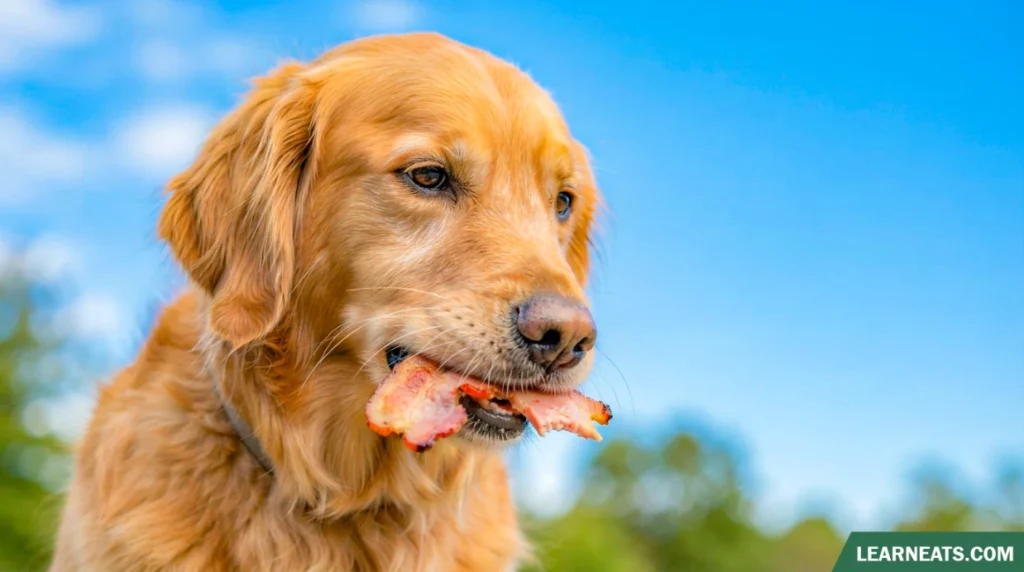
Turkey bacon is not a safe everyday treat for dogs. The direct answer to “can dogs eat turkey bacon” is this: a dog can technically survive a small, fully cooked bite without immediate harm, but turkey bacon is a heavily processed meat loaded with sodium, fat, and preservatives that offer no nutritional benefit to a dog’s diet. Veterinarians generally classify it as a food to avoid rather than a treat to encourage, and repeated exposure carries real health risks that every dog owner should understand before sharing breakfast with a pup.
What Exactly Is Turkey Bacon, Anyway?
Turkey bacon is marketed as the “healthier” alternative to pork bacon, and for humans watching their saturated fat intake, it can be a reasonable swap. It’s made from ground or pressed turkey meat, cured with salt, sugar, and preservatives, then shaped into strips that mimic the look and texture of traditional bacon.
That marketing angle, though, doesn’t automatically translate to dogs. A food can be “better” for a human diet and still be poorly suited to canine physiology, which processes sodium, fat, and additives very differently than the human body does.
Can Dogs Eat Turkey Bacon? The Straightforward Answer
According to health experts and veterinary nutrition sources, dogs should not eat turkey bacon on a regular basis. As PetMD’s veterinarian-reviewed guide on turkey and dogs explains, turkey bacon usually contains large amounts of sodium, preservatives, and other added ingredients that could be harmful to a dog, and seasonings like garlic and onion found in some flavored varieties are outright toxic to dogs.
That doesn’t mean one accidental bite sends a dog to the emergency room. A small, unseasoned, fully cooked piece is unlikely to cause a crisis in a healthy adult dog. The concern is habitual feeding, large quantities, or dogs with pre-existing conditions like pancreatitis, kidney disease, or heart trouble.
Why Vets Discourage Turkey Bacon for Dogs
Excessive Sodium
Turkey bacon is a cured, processed meat, and curing requires salt. A single slice typically contains somewhere between 150 and 190 milligrams of sodium — a small amount for a person, but a meaningful load for a 15-pound dog whose entire daily sodium requirement is already met through a balanced commercial diet. Feeding several strips at once, or making it a daily habit, can push sodium intake well beyond what a dog’s kidneys are built to filter comfortably.
Preservatives: Nitrates and Nitrites
Most turkey bacon brands rely on sodium nitrite or nitrate to extend shelf life and preserve color. These compounds are generally recognized as safe for humans in regulated amounts, but there’s limited research on their long-term effects in dogs, and repeated exposure is not something most veterinarians want to encourage without a clear nutritional payoff.
Fat Content and Pancreatitis Risk
Turkey bacon is leaner than pork bacon, but it is still a fatty, processed food relative to a dog’s baseline diet. Dogs that gorge on fatty table scraps — bacon of any kind included — run a real risk of triggering pancreatitis, a painful and sometimes life-threatening inflammation of the pancreas. Small and toy breeds, along with dogs that already carry extra weight, tend to be the most vulnerable.
Hidden Seasonings
Plain turkey bacon is one thing; flavored or “maple,” “peppered,” or “smokehouse” varieties are another. Many of these products include garlic powder, onion powder, or heavy black pepper blends, all of which range from mildly irritating to genuinely toxic for dogs. Garlic and onion, even in powdered form, can damage a dog’s red blood cells if consumed in sufficient quantity over time.
Can Dogs Eat Raw Turkey Bacon?
No. Raw turkey bacon carries a real risk of Salmonella and other harmful bacteria, since it is essentially uncooked processed poultry. Feeding raw turkey bacon exposes a dog to the same foodborne illness risks a person would face eating raw poultry, including vomiting, diarrhea, and fever. If a dog snatches a raw piece off the counter, monitoring for gastrointestinal symptoms over the following 24 to 48 hours is a sensible precaution.

Can Dogs Eat Turkey Bacon Cooked?
Cooked turkey bacon is meaningfully safer than raw, but “safer” is not the same as “safe to feed regularly.” If turkey bacon is offered at all, it should always be:
- Fully cooked until crisp, with no pink or translucent areas
- Plain and unseasoned, with no garlic, onion, or heavy pepper coating
- Cooled to room temperature before handing it over
- Blotted or drained of grease, since dogs should never consume bacon fat or drippings
- Given in tiny, occasional amounts — a small corner of one strip, not a whole serving
A cooked, plain piece offered rarely is the lowest-risk way to share turkey bacon, but it still shouldn’t become part of a dog’s regular routine.
Turkey Bacon Nutrition & Safety Comparison for Dogs
| Food Type | Fat (per slice) | Sodium (per slice) | Preservatives | Safety Level for Dogs | Recommended Serving |
|---|---|---|---|---|---|
| Regular Pork Bacon | ~3–4g | ~150–200mg | Nitrates/nitrites, heavy salt cure | ⚠️ High Risk | Avoid entirely |
| Turkey Bacon (Cooked, Plain) | ~2–2.5g | ~150–190mg | Nitrates/nitrites, sodium phosphate | ⚠️ Moderate Risk | Tiny bite, rare treat only |
| Turkey Bacon (Raw) | Same as cooked | Same as cooked | Same, plus active bacteria risk | 🚫 Unsafe | Never feed |
| Plain Cooked Turkey Breast (Unseasoned) | Under 1g | ~25–40mg | None | ✅ Low Risk | Safe in moderation |
| Turkey Hot Dog (Lean, Plain) | ~2g | ~180mg | Some | ⚠️ Moderate Risk | Occasional small piece |
Nutritional values are approximate averages compiled from standard commercial turkey bacon labeling and may vary by brand.
Signs Your Dog Ate Too Much Turkey Bacon
If a dog sneaks a larger portion than intended, watch closely over the next day or two for:
- Vomiting or repeated diarrhea
- Lethargy or unusual reluctance to move
- Loss of appetite
- A hunched posture or visible abdominal discomfort
- Excessive panting or restlessness
- Signs of excessive thirst or dehydration
These symptoms can point toward pancreatitis or salt-related gastrointestinal upset. Medical research suggests that pancreatitis in dogs can escalate quickly, so any combination of the above — especially vomiting paired with a hunched back — warrants a same-day call to a veterinarian rather than a wait-and-see approach.
Safer Alternatives to Turkey Bacon
Dog owners looking for a bacon-flavored reward without the processed-meat baggage have better options:
- Plain, cooked turkey breast — skinless, unseasoned, and shredded into small pieces
- Dehydrated meat treats made specifically for dogs, with no added salt or preservatives
- Lean turkey hot dogs, offered sparingly and in small cut pieces
- Commercial bacon-flavored dog treats, formulated to mimic the taste without the sodium load
- Plain cooked chicken breast, another lean protein dogs typically enjoy
Any of these deliver the protein reward a dog craves without the sodium spike or preservative exposure that comes standard with processed turkey bacon.

How to Feed Turkey Bacon Safely, If a Dog Owner Chooses To
For owners who still want to occasionally share a small taste, a few ground rules keep the risk low:
- Choose plain, unseasoned turkey bacon — never flavored varieties
- Cook it fully and let it cool before offering it
- Break off a single small piece, not an entire strip
- Drain excess grease and never pour bacon fat over a dog’s food
- Limit it to a rare, occasional treat rather than a weekly habit
- Skip it entirely for dogs with a history of pancreatitis, kidney disease, heart conditions, or obesity
Dogs already managing a chronic condition should stick to vet-approved treats, since even a small sodium or fat spike can complicate an existing diagnosis.
Did you know that? Can Dogs Eat Ground Turkey?
Frequently Asked Questions
Can dogs eat turkey bacon?
Dogs can eat a small, plain, fully cooked piece of turkey bacon occasionally without immediate harm, but it should not become a regular part of their diet. The sodium, fat, and preservatives it contains offer no nutritional value and can strain a dog’s kidneys and pancreas over time.
Can dogs eat turkey bacon cooked?
Yes, cooked turkey bacon is safer than raw, provided it is plain and unseasoned. It should still be offered only in tiny amounts and as an occasional treat rather than a daily food.
Can dogs eat raw turkey bacon?
No, raw turkey bacon should never be fed to a dog. It carries a risk of Salmonella and other bacterial contamination that can cause vomiting, diarrhea, and fever.
Can my dog eat turkey bacon as a Thanksgiving treat?
A single small, plain, cooked piece is unlikely to cause harm during a holiday meal, as long as it isn’t seasoned with garlic or onion. Watching portion size matters more on holidays, since owners and guests often lose track of how much a dog has actually eaten.
Is turkey bacon healthier than pork bacon for dogs?
Turkey bacon generally contains slightly less fat than pork bacon, but its sodium and preservative content remains similarly high. Neither option qualifies as a healthy regular treat for dogs.
What happens if a dog eats a lot of turkey bacon?
A dog that eats a large amount at once may develop vomiting, diarrhea, lethargy, or abdominal discomfort within a few hours to a couple of days. In more serious cases, this can progress to pancreatitis, which requires prompt veterinary treatment.
Can puppies eat turkey bacon?
Puppies have more sensitive digestive systems than adult dogs and should avoid turkey bacon altogether. Their smaller body size means even a small serving delivers a proportionally larger sodium and fat load.
Can dogs eat turkey bacon grease?
No, bacon grease of any kind should never be given to a dog, including turkey bacon drippings. The concentrated fat significantly raises the risk of pancreatitis, even in dogs that tolerate small bites of the meat itself.
How much turkey bacon is safe for a dog to eat?
For a healthy adult dog, a single small piece — roughly the size of a coin — offered occasionally is a reasonable upper limit. Smaller breeds should receive proportionally less, if any at all.
Can dogs with pancreatitis eat turkey bacon?
No, dogs with a history of pancreatitis should avoid turkey bacon completely. Even small amounts of fatty, processed meat can trigger a flare-up in dogs with this condition.
What are safer bacon alternatives for dogs?
Plain cooked turkey breast, lean turkey hot dogs in small portions, and commercial dog treats formulated to taste like bacon all offer a similar reward without the sodium and preservative load. These options let dogs enjoy a treat without the same health trade-offs.
Can dogs eat turkey bacon every day?
No, turkey bacon should never become a daily food for a dog. Regular consumption raises the long-term risk of sodium-related kidney strain, unwanted weight gain, and pancreatitis.